kidling

kidling

9.9
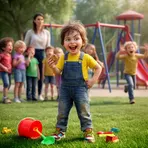
A young child in old or local language
  • noun
  • Archaic
translation icon : niño
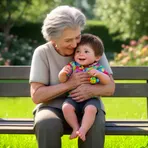
  • The old woman smiled as the kidling chased butterflies across the sunny cottage lawn.

Examples

  • Look at that kidling running around!

  • The village was quiet except for the laughter of a single kidling playing by the stream.

  • In the story, a curious kidling wandered into the enchanted forest.

  • The kidling played happily in the garden.

  • The old woman smiled as the kidling chased butterflies across the sunny cottage lawn.

  • In the story, a curious kidling wandered into the enchanted forest.

  • The village was quiet except for the laughter of a single kidling playing by the stream.

Synonyms

kid
vskidling
  • Informal
1.0

A young person, usually a child

is dialectal or archaic rather than current informal usage
child
vskidling
  • Offensive
2.8

A person who behaves in a silly or not grown-up way

refers to actual young children in old dialect rather than childish behaviour
youngster
vskidling
213 1.0

A child or teenager who is not yet an adult

is older dialectal language rather than a neutral modern term
kiddo
vskidling
  • Baby Talk
145 7.2

A friendly, informal way to call a child or young person

is archaic or dialect instead of a modern friendly form
kiddie
vskidling
  • Informal
87 7.7

A young child

is also informal in feel but marked as archaic or dialect
young'un
vskidling
  • Informal
14 9.3

A friendly way to say child or young animal

is also dialectal but leans more toward older or archaic use
enfant
vskidling
3 9.0

A child in French language or French culture

is an English archaic or dialect term for a young child
youngling
vskidling
2 5.5

A child or baby animal not yet fully grown

is limited to human young children and dialect usage
kidlet
vskidling
  • Informal
1 8.2

A small child or young goat that people talk about in a loving, informal way

is archaic or dialect and mainly names human young children
kiddy
vskidling
  • Informal
1 7.5

A young child

carries older dialect flavor rather than current informal usage
halfling
vskidling
  • Archaic
1 9.9

A small person, often a child who is not fully grown

is archaic or dialect but focuses on young children rather than size
littlun
vskidling
  • UK
1 9.3

A small child, said in a friendly way
is archaic or dialect rather than modern affectionate speech
leetle
vskidling
  • Informal
1 9.9

A small child or person treated with love and care
is similar in affection but is specifically archaic or dialectal
childe
vskidling
  • Archaic
9.9

An old word for a child, often a boy

is archaic too but applies to young children in general
bantling
vskidling
  • Archaic
9.9

A very young child like a baby

is archaic as well but not limited to infants
bratling
vskidling
  • Offensive
9.3

A small child who behaves badly, often in a playful way

is archaic or dialect without the mildly negative playful tone
babby
vskidling
  • UK
9.9

A very young child such as a newborn

is dialectal too but covers young children generally rather than infants

Antonyms

1.0

A person who is fully grown and no longer a child

How Young

newborn
142 1.0
baby
1.0
toddler
171 1.0
kidling
  • Archaic
9.9
child
1.0
youngster
213 1.0

Surface Forms

kidling singular
kidlings plural

Morphology

kidling = kid (opaque) = kid + ling

The use of 'kid' to refer to a child is informal and not directly derivable from the base word 'kid' meaning a young goat.

Etymology

Kidling was also used in older or local speech to mean a little child because kid came to mean 'child' in everyday English and -ling means 'small one', so a kidling can be remembered as a 'small kid' or little child.