

kalends


 1
9.9
1
9.9
- noun
- /ˈkeɪ.lɛndz/
- Archaic
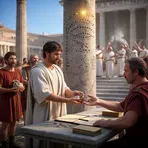
- On the kalends, Romans would make their monthly financial settlements.
Examples
-
The first of January was celebrated as the kalends of the new year in the Roman calendar.
-
In ancient Rome, the kalends marked the beginning of each new month.
-
A multilayered festival, the Kalends in late antiquity, spread over three to four days and encompassed both civic and personal rituals.
Academic text (2001) -
Roman precursors of Christmas, Kalends and Saturnalia, were both events characterized by lavish gift-giving, spending, feasting, carousing, and overall extravagance.
Academic text (2013) -
The Kalends—moved for military reasons from the spring to January in 153 B.C.E.—developed into a major festival during the Imperial era with the presentation of gifts to the emperors, of money in particular, during a now official ceremony attended by all orders of Roman society as its centerpiece.
Academic text (2001)
Synonyms
The first day of the month in ancient Rome used for paying debts
Surface Forms
Etymology
Kalends comes from the Latin calendae, from the verb calare meaning 'to call'. Roman priests would call out the new moon and the first day of each month, so the kalends were the 'first day of the month' and gave us the word calendar.