
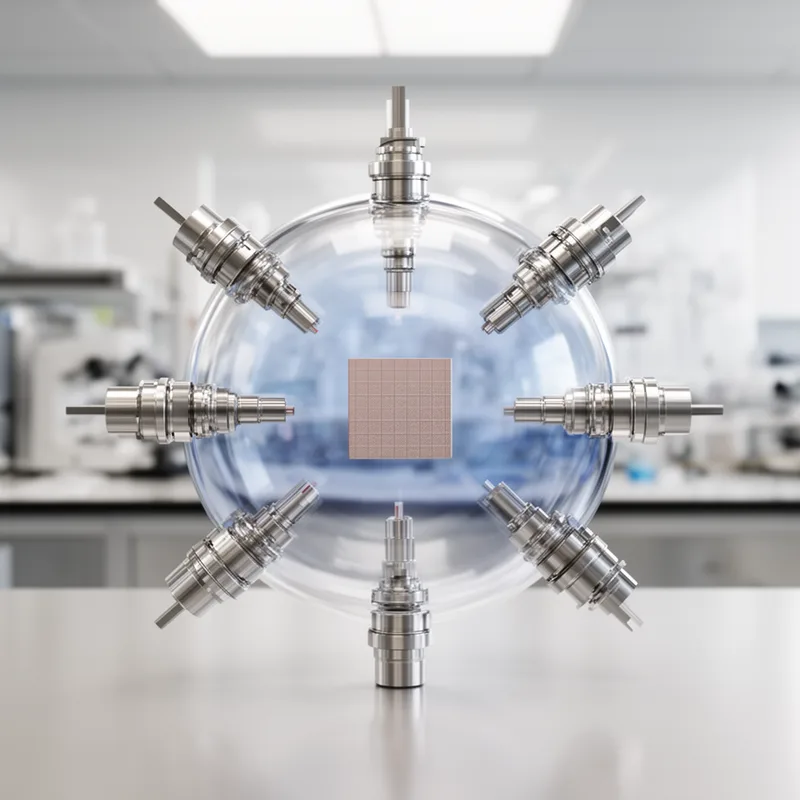
isostatic


 1
8.8
Made by pressure that comes equally from all sides
- adjective
- /ˌaɪsəˈstætɪk/
- Specialized
:
isostático
- The emphasis then shifted to hot isostatic pressing (HIP), either to achieve additional densification of a sintered part or to directly densify a powder compact encapsulated in a glass envelope.
Examples
-
The Warm Isostatic Press, or WIP, production unit is a press with a high-pressure vessel and pressurized fluid heating to 250°C.
Academic text (2003) -
During the experiment, the scientists measured the effects of isostatic pressure on the material's strength.
-
The researchers used isostatic pressing to ensure uniform density in the metal components they were producing.
-
In manufacturing, isostatic techniques can lead to improved performance and durability of the final product.
How Uniform

Surface Forms
isostatic positive
Morphology
Etymology
The word isostatic comes from the parts iso- 'equal' and static 'standing', with static like the word 'not moving'. It names a process where pressure is the same from all sides, so a material is pressed evenly.