
isoprene


 1
8.6
- noun
- /ˈaɪsəˌprin/
- Specialized
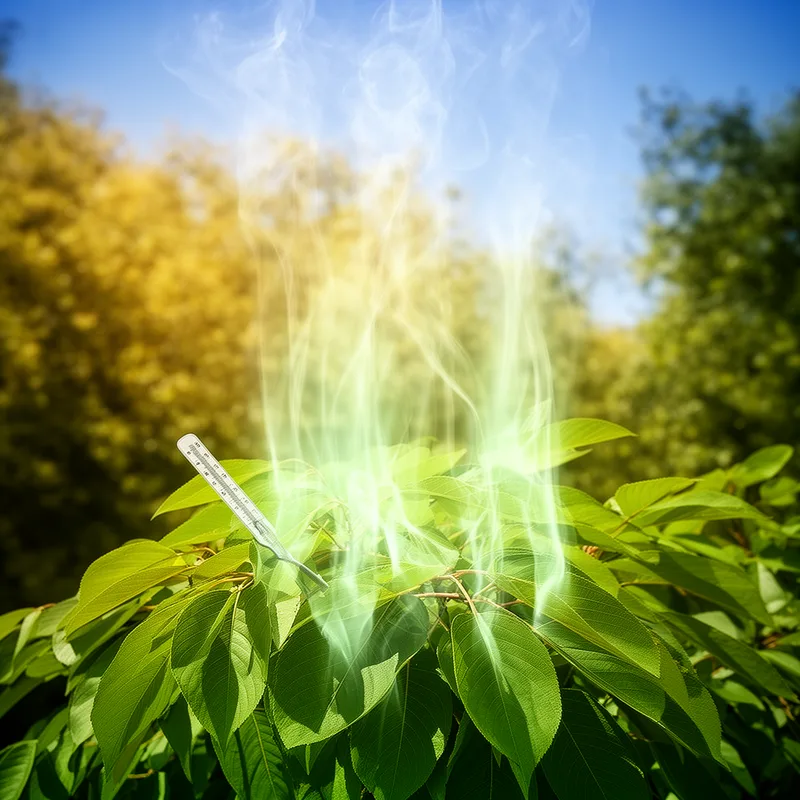
- Isoprene is emitted in large amounts by the Amazon Rainforest and has a short half-life in the atmosphere, where it is converted into aerosol particles.
- isoprene emissions
Examples
-
Amazonian tree cover accounts for a large part of the world's atmospheric isoprene.
-
The authors also found that as the elevation of the terrain in the Amazon got higher, isoprene emissions got higher too.
-
Terpenes and isoprenes are primarily released in the gas phase by plants in the jungle, and once in the atmosphere, they react with water, oxygen, organic compounds, acids, and other chemicals exuded by indigenous plants.
Blog text (17)
Surface Forms
Morphology
isoprene = prene (opaque) = iso + prene
The parts are specialised chemical combining forms; a typical B1 learner cannot derive the meaning from 'iso-' + 'prene' without domain-specific knowledge.
Etymology
Isoprene comes from the chemical prefix iso- ('equal') and the ending -prene, which connects it to plant chemicals called terpenes that give trees their smells. That's why isoprene is a gas from plants that helps protect leaves on hot days.