
isomerase


 1
9.9
- noun
- /ˈaɪsəˌmɛrəs/
- Specialized
- Xylose isomerase is an essential enzyme for converting xylose into glucose during metabolism.
- xylose isomerase
Examples
-
Bunick and Hanson chose to work on xylose isomerase in part because of its role in the food industry.
Academic text (2003) -
Hence, xylose isomerase (XI) is one of the largest volume commercial enzymes used today.
Academic text (2015) -
So how big of a fermentor do I need in order to make this much glucose isomerase in terms of activity?
-
Xylose isomerase gene as a marker in transgenic plants:
Academic text (2015) -
For optimal performance of the isomerization process, the xylose isomerase can be immobilized.
Academic text (2015) -
To convert glucose to fructose, xylose isomerase somehow helps hydrogen atoms move from the second carbon to the first.
Academic text (2003) -
All proteases (the enzymes that cut proteins into pieces) work by exchanging hydrogen atoms, as do many isomerases (the enzymes that restructure proteins).
Academic text (2003) -
Xylose/glucose isomerase (EC 5.3.1.5) is one of the enzymes related to xylose metabolism, encoded by gene xyl-A.
Academic text (2015) -
In the food industry, xylose isomerase helps in the production of high-fructose corn syrup.
-
Researchers are studying how xylose isomerase improves sugar yield in various crops.
Surface Forms
Morphology
Etymology
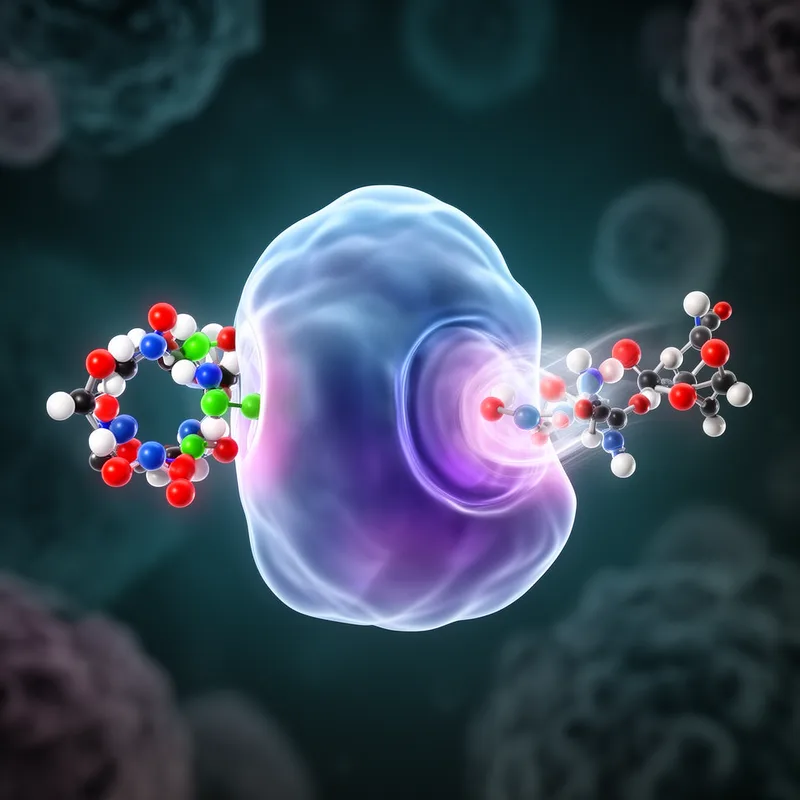
Isomerase breaks into three parts: iso- meaning 'same', -mer- meaning 'part' as in monomer and polymer, and -ase meaning 'enzyme'. So an isomerase is an enzyme that changes a molecule into another form with the same parts but a different order.