

irruptive
- adjective
- /ɪˈrʌptɪv/
- Specialized
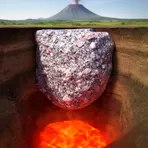
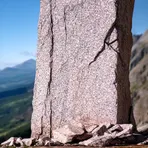
- Granite is an irruptive rock that forms deep within the earth's crust.
Examples
-
Unlike volcanic basalt, irruptive rocks cool slowly underground.
-
The geologists collected samples of irruptive rocks for further study.
-
The irruptive nature of granite makes it a popular choice in construction.
-
Many geologists study irruptive rocks to understand Earth's history.
-
Granite is an irruptive rock that forms deep within the earth's crust.
-
The geologists collected samples of irruptive rocks for further study.
-
Unlike volcanic basalt, irruptive rocks cool slowly underground.
Synonyms

 4
7.4
4
7.4

Rock like granite that forms when hot, melted rock cools
 1
7.6
1
7.6
Relating to very hot liquid rock under the ground or things made from it

 1
9.6
1
9.6
Stone formed when hot melted rock cools slowly deep under the ground
 1
8.6
1
8.6
Rock formed when hot liquid rock pushes into other rocks
 1
7.0
1
7.0
Made of or like the hard rock granite
Surface Forms
Morphology
Etymology
Irruptive comes from Latin parts in- meaning 'into' and rumpere meaning 'to break', and it is related to English words like erupt and rupture. For igneous rocks, imagine hot melted rock pushing into the earth and then cooling underground, so irruptive describes rocks formed when magma breaks in and cools below the surface.