
intrusive


 1
8.6
1
8.6
- adjective
- /ɪnˈtruːsɪv/
- Specialized
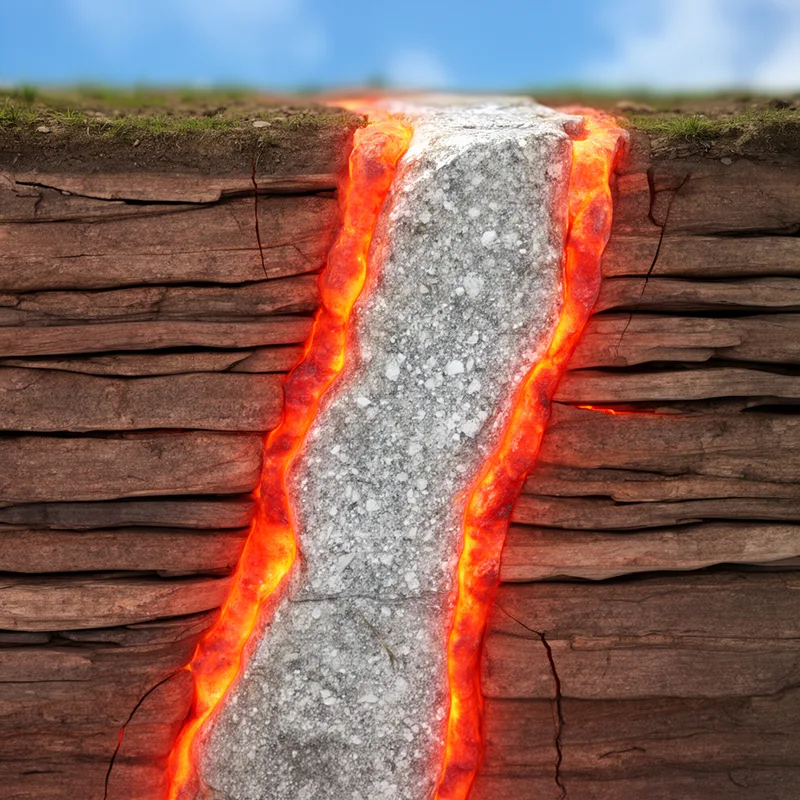
- The layers of intrusive rock formed when molten magma forced its way into the existing rock formations.
- the least intrusive
Examples
-
The apparently intrusive layer becomes the subject of heated debate, but I can't stay for the outcome.
Academic text (2002) -
Brown et al. (2001) suggested that a social intervention plan should begin with the least intrusive strategies.
Academic text (2007) -
Mother and two of her children relax outside their home in Nampunga, Tanzania, without any barrier against intrusive wildlife.
Academic text (2009) -
I have focused particularly on health promotion through information provision and education, since this is a significant area of focus for those trying to effect behavior change, and an area of health promotion typically seen as benign in comparison to more intrusive interventions such as legal regulation.
Academic text (2018) -
Gated communities, often involving armed patrols and electric fencing, are perhaps the most visible and intrusive sign of this trend: this particular form of privatization began to spread dramatically in the 1980s to the point where, in 1997, there were 20,000 such residential areas.
Academic text (2001) -
Geologists study intrusive igneous rocks to understand the processes beneath the Earth's surface.
-
After the eruption, the intrusive material solidified and created new mountain ranges.
Synonyms

Rock that solidified from magma deep under the earth's surface, such as granite
Antonyms

- Specialized
Rock that forms when lava from a volcano cools quickly on the ground, like basalt
Surface Forms
Morphology
Etymology
Intrusive comes from the verb intrude, made of Latin parts in- ('into') and trudere ('to push'). Think of hot rock being 'pushed into' cracks inside the Earth, which is why intrusive rocks form below the surface.