
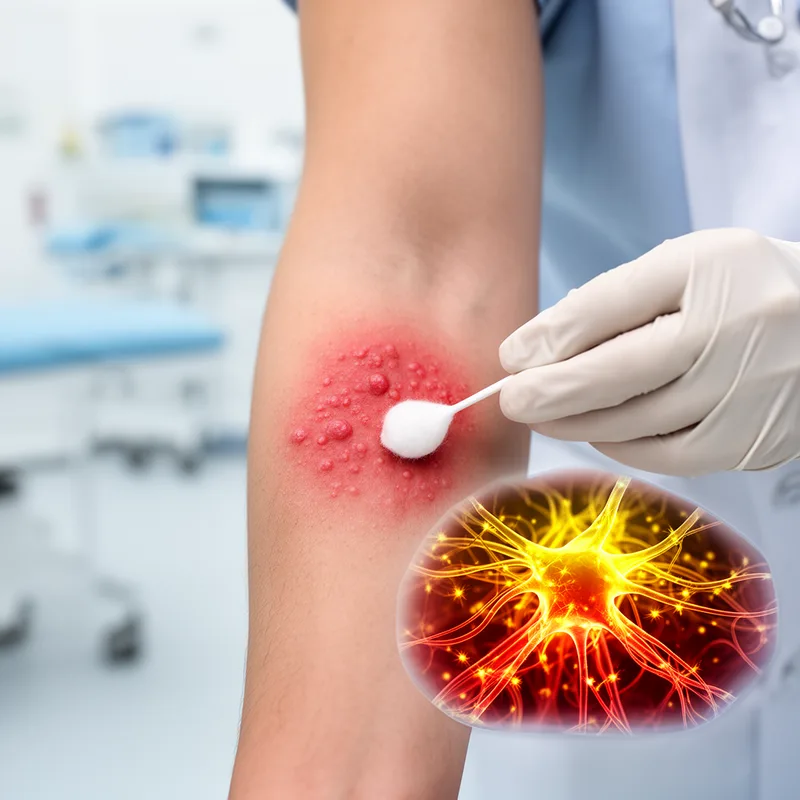
irritability
 1
6.5
1
6.5

- noun
- /ˌɪrɪtəˈbɪləti/
- Specialized
- The risk of permanent hypoparathyroidism can lead to fatigue, paresthesias, and irritability.
Loading YouTube…
Watch on YouTubeHe says determination in terms of irritability has an advantage.
- He says determination in terms of irritability has an advantage.
Examples
-
He says determination in terms of irritability has an advantage.
-
However, a significant improvement in symptoms and functional outcomes can be expected at 6 and 12 weeks with appropriate management of irritability, activity modification, and correct exercise prescription.
Academic text (2016) -
And when they did that, then the the effects of deprivation like greater irritability and so forth were the same.
-
One consideration for patients who present with SADRC tears may be related to irritability.
Academic text (2016) -
Your body chemistry and your exposure to the elements would normally lead to irritability, depression, anxiety, and periods of self-reproach.
Fiction book (2000) -
A thorough clinical history aids in identifying provocative factors that aggravate the intensity and duration of symptoms, providing information regarding the degree of irritability.
Academic text (2016) -
Karmel-Ross and Lepp 15 reported irritability in patients with torticollis as a response to pain resulting from a perinatal or intrauterine compartment syndrome.
Academic text (2015) -
The patient's irritability made it difficult for the doctor to conduct a thorough examination.
-
After multiple sleepless nights, her irritability began to affect her relationships with friends and family.
-
Children with ADHD often display irritability in response to minor frustrations.
Synonyms
 1
7.5
1
7.5
Unusually sensitive to small physical signals in a nerve or muscle

An extreme feeling of being easily annoyed and sensitive to light or sound
Antonyms

How Irritable
5
7.0

- Specialized
- Specialized
1
6.5
- Specialized
15
4.2
∞
1.0
Surface Forms
Morphology
irritability = irritable (transparent) = irrit + ity
Standard nominalization from 'irritable' to indicate the condition or quality of being irritable in physiological contexts.
Etymology
Irritability also comes from the root of irritate and the Latin irritare, which meant 'to excite' or 'to provoke', so in medicine irritability describes how easily an organ or body part reacts or becomes sensitive.