

to inure
 4
8.9
4
8.9

- verb
- /ɪˈnjʊr/
- Formal
- The Greeks have become inured to government handouts; I don't think that makes socialism successful; quite the contrary.
Examples
-
The soldier, on returning from the war... thinks victory has inured him against sorrow... till Death comes by... and chops him from his horse.
-
He had to inure himself to the criticism he faced as a public figure.
-
You must inure yourself to what you find repellant.
-
The users would become inured to the presence of danger.
Blog text (24) -
So this is what violence in Cairo is like now: the city has grown inured to it.
Blog text (30) -
Reyes was becoming inured to the cascade of bombshells.
Fiction book (1999) -
Though you might expect Lewinsky to have been inured to humiliation, this incident offended her deeply.
Academic text (2000) -
Mostly, Alicia's mind tried to remain numb, inured by battle to a multitude of disasters.
Fiction book (1992) -
Hogarth had argued that cruelty to animals contributed to a coarsening of character that inured the English to violence.
Academic text (2007) -
Why, Hewl's bluntness felt easy as old shoes: was he not inured to it from a boyhood spent with Meynoc and the other boys?
Fiction book (1993)
Synonyms
 139
3.6
139
3.6
To make someone used to something so it feels normal
 57
3.9
57
3.9
Make someone less sensitive to unpleasant things
 10
6.3
10
6.3
To make people and animals feel less strong reactions to pain, fear or loud sounds, often by repeated exposure
 6
6.5
6
6.5
Become used to a new situation so you feel comfortable with it
 2
6.7
2
6.7
To get used to something new so it no longer seems strange
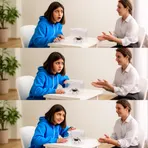
Making a person feel less pain or fear

To make someone or something less able to feel pain and sadness from long hard experience
How Accustomed
57
3.9
 10
6.3
10
6.3
- Formal
4
8.9
139
3.6
- US
4
6.1
Surface Forms
Etymology
The word inure comes from an old idea of making someone 'used to' something unpleasant so they stop feeling it strongly. A helpful way to remember it is to think of in- + use, as if putting someone 'in use' so they become less affected by cold, pain, or hardship.