

inundation
 1
7.7
1
7.7

- noun
- /ˌɪnʌnˈdeɪʃən/
- Controlled inundation of the floodplain could reduce flood costs and help replenish soil nutrients.
- inundation of the floodplain
- inundation cycle
Examples
-
Lynden's temporary location and haul route were subject to inundation by two 100-year flood events during the nine-month pilot.
Academic text (1996) -
SO FAR, 11 COMMUNITIES ALONG THE MISSISSIPPI RIVER HAVE SUFFERED ALMOST COMPLETE INUNDATION WITH DAMS THREATENING TO GIVE WAY IN NUMEROUS OTHERS.
-
People want to improve their control of the inundation cycle, not to eliminate it.
Academic text (1997) -
The only species found at these sites are those that can survive periodic, but sometimes lengthy, inundation.
Academic text (2012) -
The AOSIS countries and their natural allies, such as Bangladesh and Egypt, risk inundation if sea levels rise significantly as a result of climate change.
Academic text (1997) -
A second major problem stems from siting facilities on river floodplains, where they are vulnerable to inundation by floodwaters.
Academic text (2002) -
Interior low- and medium-height deciduous forests experience saltwater inundation only during storms.
Academic text (1993) -
On the Penobscot River, the combination of the low-level islands, water level fluctuations, and industry made inundations common.
Academic text (2018) -
Sea-level rise presents a clear hazard to low-lying land areas, both through direct inundation and through increased possibility of storm surges, changing erosion patterns, salination of wells, and interference with sewer systems.
Academic text (2006) -
After the heavy rain, the region faced a serious inundation that covered roads and fields.
Synonyms
 286
1.0
286
1.0
A large amount of water that covers land that is usually dry
 136
2.1
136
2.1
A large amount of water covering land that is usually dry
 40
2.1
40
2.1
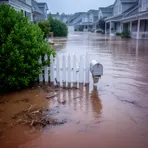
Water that covers land after very heavy rain
 15
3.7
15
3.7
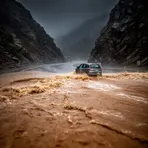
A sudden rise of water that covers land after heavy rain
 11
6.3
11
6.3
A very heavy rain that causes flooding
 2
3.0
2
3.0
Water covers a large area and causes damage

The covering of dry land by water when a river or sea rises
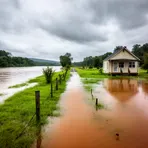
Land or place that becomes filled with water after heavy rain
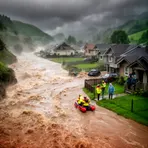
A sudden large flow of water that floods land

A sudden flood that happens very quickly after heavy rain
How Flooded

Surface Forms
Morphology
inundation = inundate (transparent) = inund + ation
Standard noun formation from the verb 'inundate' meaning literal flooding; the meaning is directly derived.
Etymology
The word inundation comes from Latin parts in- 'into' and unda 'wave'. Long ago it meant water flowing in and covering land, so inundation now means a flood when water overflows onto areas that are usually dry.