

interventionism
 2
7.6
2
7.6

- noun
- /ˌɪntərˈvɛnʃənɪzəm/
- But whether this interventionism was greater than that of the Soviet Union is still debated.
- military interventionism
- U.S. interventionism
Examples
-
Today, overt U.S. interventionism is less frequent and more subtle.
Academic text (2010) -
Said alluded strongly to the entrenchment of the idea of interventionism in the minds of the American foreign policy elite.
Academic text (2004) -
And the two sides would also come together over a new doctrine of enlightened interventionism in Africa.
Academic text (2003) -
In 1967, with decolonization and new member nations, interventionism became central.
Academic text (2008) -
Bill Clinton comes to the presidency sympathetic to the new interventionism.
Academic text (1993) -
The reluctant U.S. interventionism of the 1990s made no headway against this implacable enemy.
Academic text (2002) -
In a nutshell, we are faced once again with the faults of interventionism being blamed on the free market.
Blog text (10) -
The symbolic significance of military involvement in domestic affairs should not be underestimated, especially where a tradition of military interventionism exists.
Academic text (1993) -
The military's adoption of multiple domestic assignments in a country with a tradition of military interventionism poses risks to civilian control.
Academic text (1993) -
The government adopted a new policy of interventionism to support struggling nations in crisis.
Synonyms
 28
8.0
28
8.0
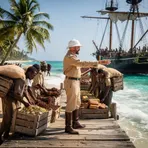
A policy in which a country takes control of other countries, often by taking land or using force
 22
7.4
22
7.4
Control of one country by people from another country who live there and take its resources for profit
 3
7.5
3
7.5
A policy by a country to gain more land or power


 1
9.9
1
9.9
A powerful country that uses money, trade or political power to control poorer countries
Antonyms

- Literature
10
7.7
A country's choice to avoid political and economic contact with other countries
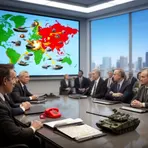
How Interventionist
28
8.0
 2
7.6
2
7.6
- Literature
10
7.7
- Formal
1
7.6
Surface Forms
Morphology
interventionism = intervention (transparent) = intervention + ism
The meaning 'policy of intervening in other countries' is a direct application of 'intervention' plus '-ism' to denote a policy/doctrine, so the formation is clear.
Etymology
Interventionism comes from the parts inter- meaning 'between' and venire meaning 'to come', just like the verb intervene which means 'to come between'. So when used about foreign affairs, interventionism describes a country 'coming between' events in other nations to try to influence them, sometimes by political or military action.