
ingress
- noun
- /ˈɪnɡrɛs/
- Specialized
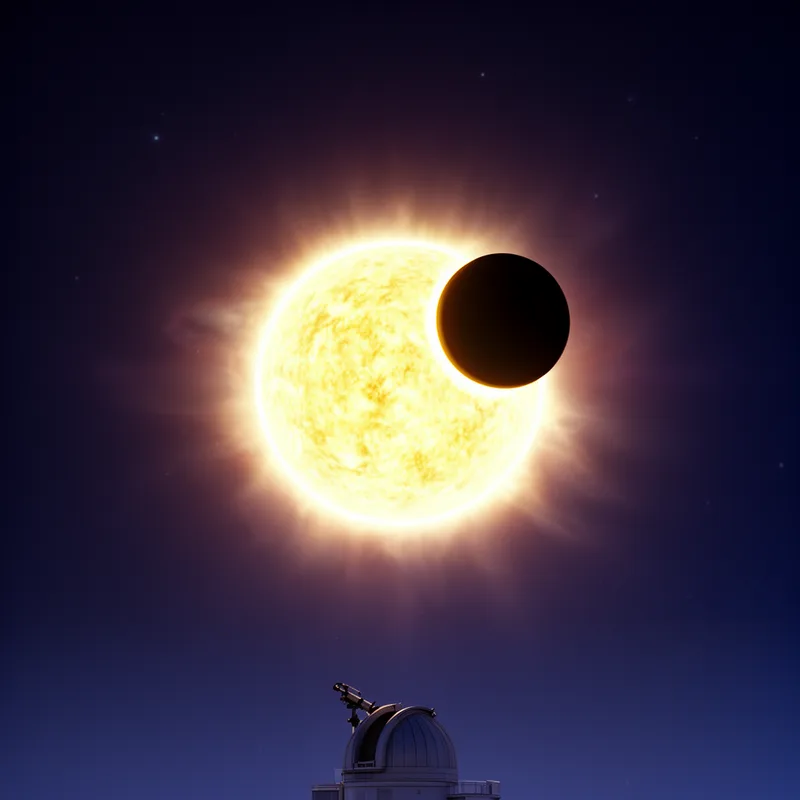
- As the celestial body approached, everyone in the planetarium noted the exact moment of its ingress behind the clouds.
Examples
-
Astronomers eagerly anticipated the ingress of the moon as it moved behind the Earth during the eclipse.
-
A noted clockmaker, Rittenhouse built a piece to measure the time of Venus's first and second contact (or ingress and egress) on the solar disc.
Academic text (2004) -
During the observatory event, the team carefully recorded the ingress of the planet passing across the star's face.
Synonyms

When a star or moon disappears into the shadow of another body
Antonyms

- Specialized
The moment a moon or planet appears again after being hidden during an eclipse
Surface Forms
Morphology
ingress = in + gress
Although morphologically analyzable as 'in-' + 'gress', this is a specialized astronomical usage (technical jargon) unlikely to be deduced by an average B1 learner from the components.
Etymology
Ingress comes from in- 'into' and gress 'step', so imagine a star 'stepping into' another object's shadow. That's why in astronomy an ingress is the moment a body begins to enter behind something, like the start of an eclipse.

