

infrigidation
- noun
- /ɪnˌfrɪdʒɪˈdeɪʃən/
- Specialized
- New guidelines recommend infrigidation within two hours of preparing cooked meats.
Examples
-
Proper infrigidation can extend the shelf life of dairy products.
-
The laboratory uses advanced infrigidation systems to store sensitive samples.
-
Proper infrigidation of perishable foods is essential to prevent spoilage.
-
The infrigidation of the food is essential for preservation.
-
Proper infrigidation of perishable foods is essential to prevent spoilage.
-
New guidelines recommend infrigidation within two hours of preparing cooked meats.
-
Proper infrigidation can extend the shelf life of dairy products.
Synonyms

 79
1.6
79
1.6

A change when a liquid turns into a solid because it gets very cold
 44
1.4
44
1.4
A time when it is cold enough for water to turn to ice
 15
3.5
15
3.5
Cooling or freezing food to keep it fresh
 1
8.4
1
8.4
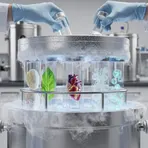
To keep cells, tissues, or organs alive by cooling them to very low temperatures
 1
6.8
1
6.8
The change when a liquid or soft thing becomes hard, usually by cooling

A way to dry food or medicine by freezing it and removing the ice so it keeps its shape
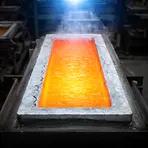
A process of becoming hard when a liquid cools or a wet material dries
How Cold
- Specialized

 1
5.3
1
5.3
 79
1.6
79
1.6
- Specialized
- Specialized
15
3.5
60
2.1
Surface Forms
Morphology
infrigidation = infrigidate (semi-transparent) = in + frigid + ation
Formed by suffixation from the verb 'infrigidate' (in- + frigid + -ate); the basic meaning 'process of making cold' is regular, but the prefix 'in-' can be misread as a negative and the verb is rare, so the relation is only partly obvious to learners.
Etymology
Infrigidation comes from the Latin root frigid meaning 'cold' and the ending -ation meaning 'a process'. It is like refrigeration or a fridge, so it means the process of making food cold to keep it fresh and safe.