

infector


 1
7.6
1
7.6
- noun
- /ɪnˈfɛktər/
- Specialized
- So the Wells Riley model in some sense is the SE model where there are only exposed people and susceptible, but the number of infectors doesn't change.
Loading YouTube…
Watch on YouTubeSo the capacity to put off the chemicals it needs to, to engulf the offending infector and to kill a bacteria or a virus.
- So the capacity to put off the chemicals it needs to, to engulf the offending infector and to kill a bacteria or a virus.
- So the Wells Riley model in some sense is the SE model where there are only exposed people and susceptible, but the number of infectors doesn't change.
- OK, so the fact that there are more infectors gives a chance of at least some infection, but this seems like a more general and simpler criterion.
Examples
-
During the outbreak, health officials traced the infector that caused the widespread illness back to a contaminated food source.
-
OK, so the fact that there are more infectors gives a chance of at least some infection, but this seems like a more general and simpler criterion.
-
The doctor identified the infector who spread the flu to many patients in the community.
-
An unwilling infector might unknowingly pass a virus to friends and family during the holiday season.
Synonyms
 43
5.8
43
5.8
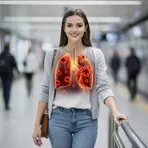
A person or animal that has a disease without showing signs and can pass it to others
 22
6.2
22
6.2
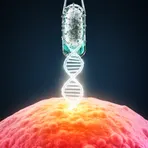
An organism or thing that carries and spreads disease and genes between living things
 2
6.2
2
6.2
An animal or microbe that spreads disease to others

A person or animal who spreads a contagious disease to many others because they have many germs

A person or animal that carries a disease and can spread it to others
How Infectious

Surface Forms
Morphology
Etymology
Infector comes from the verb infect, built from in- 'into' and -fect 'make', the same root you see in factory. So an infector is something that 'puts' disease into others, which is why it means a source that spreads illness.