
inertance
9.9
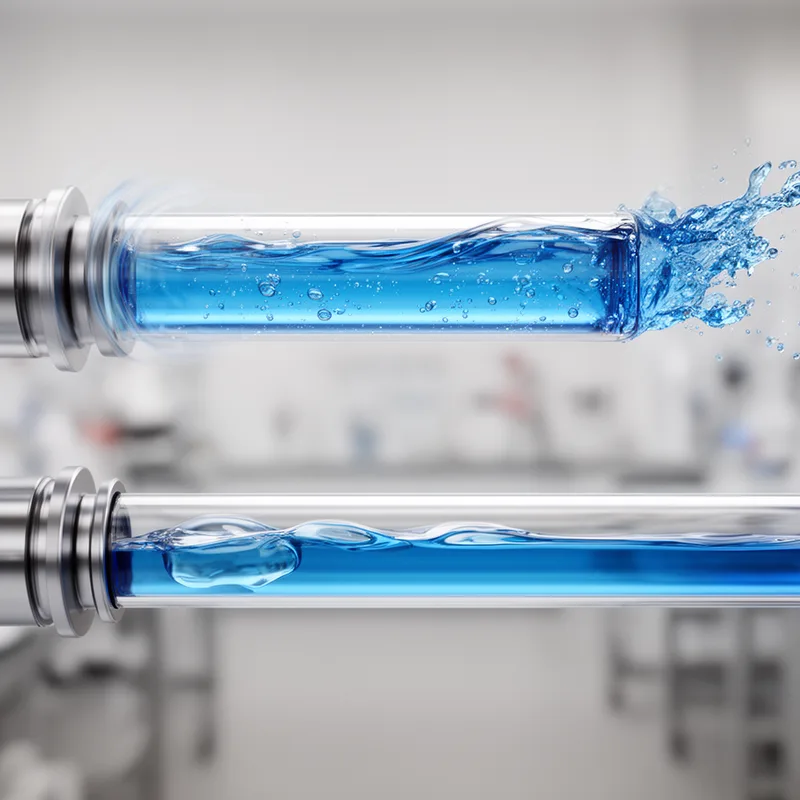
A measure of how much a pipe or tube resists changes in fluid flow
- noun
- /ɪˈnɜːrtəns/
- Specialized
:
inertancia
- High inertance can cause delays in the response of medical ventilators.
Examples
-
The inertance of the pipe affects how quickly the fluid accelerates.
-
Engineers must consider inertance when designing systems for rapid fluid movement.
-
The inertance of the fluid affects the system's response.
-
In fluid dynamics, inertance plays a crucial role.
-
The inertance of the pipe affects how quickly the fluid accelerates.
-
Engineers must consider inertance when designing systems for rapid fluid movement.
-
High inertance can cause delays in the response of medical ventilators.
Antonyms


Surface Forms
inertance singular
inertances plural
Morphology
Etymology
The word inertance comes from inert, which means 'not moving', and is like the familiar word inertia, meaning 'resistance to change'. So inertance is a way to measure how much a fluid system resists a change in flow, just as inertia resists a change in motion.