
inelastic
 2
6.6
2
6.6

- adjective
- /ˌɪnɪˈlæstɪk/
- Specialized
- Fort (2004) debated that inelastic ticket pricing is likely a result of profit maximization.
- inelastic scattering
- inelastic scattering
- inelastic demand
Loading YouTube…
Watch on YouTubeThis principle applies to both elastic fluids and inelastic fluids, to gases and to liquids.
- This principle applies to both elastic fluids and inelastic fluids, to gases and to liquids.
- So let's do a little quiz or bouncy, or in physics terms, inelastic or elastic.
- Spin, stabilized projectiles, momentum transfer, elastic and inelastic collisions.
Examples
-
The estimates from the current study show mostly inelastic values except for cement, with -0.57 showing relatively moderate elasticity.
Academic text (1999) -
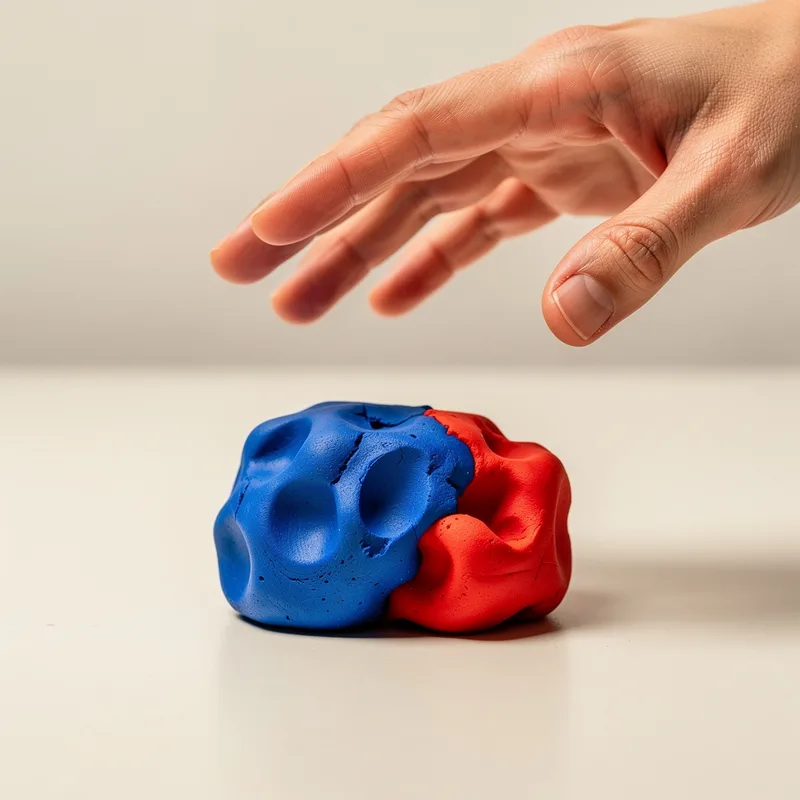
The rubber band became inelastic after being stretched too many times and could no longer return to its original shape.
-
So you can see that with many goods, the most efficient way to raise tax revenue is to tax inelastic goods more.
-
Now what's the most price inelastic food?
-
The pressure was being felt of increasing numbers of people on relatively inelastic resources forcing up prices.
-
So what market actors tend to favor is the money that has the most inelastic supply.
-
As markets get more inelastic, monopolists make more money.
-
Thus, as shown in Figure 4, the market saw a vertical, completely price-inelastic demand curve.
Academic text (2001) -
But the arithmetic of relatively inelastic demand (again, in the short run) was discouraging.
Academic text (2003) -
At higher prices, the curve is somewhat inelastic, reflecting mainly residential, commercial, and non-switchable industrial gas demands.
Academic text (1990)
Antonyms


Compounds

How Elastic

Surface Forms
Morphology
Etymology
The word inelastic comes from the parts in- meaning 'not' and elastic meaning 'able to stretch', like a rubber band. So inelastic means 'not stretchy' — something that does not return to its original shape, and it is also used for situations, like some collisions or demand, that do not change much.