
to inbreed


 1
7.7
1
7.7
- verb
- /ˈɪnˌbriːd/
- Specialized
- When you inbreed a population, you can develop very fine traits like the dogs and cats that people breed.
- inbreeding depression
- molecular basis of inbreeding
- basis of inbreeding
Loading YouTube…
Watch on YouTubeAnd the scientific side of it is that they inbred so much that their feet have two toes like lobster claws.
- And the scientific side of it is that they inbred so much that their feet have two toes like lobster claws.
- Anyway, you can inbreed laboratory mice and you can keep them under absolutely identical conditions.
Examples
-
Anyway, you can inbreed laboratory mice and you can keep them under absolutely identical conditions.
-
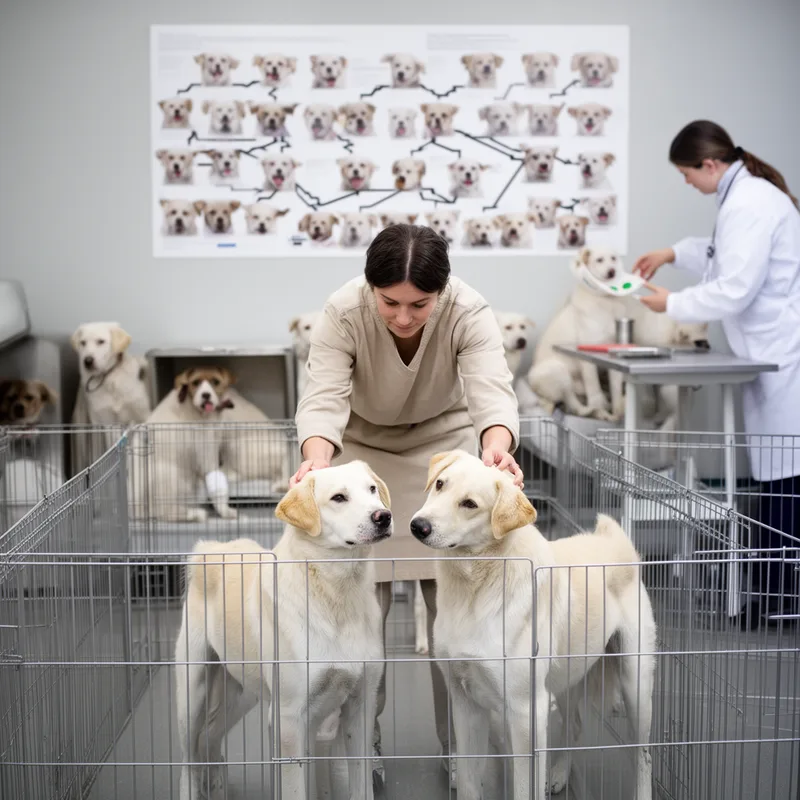
The purebred dogs sometimes end up inbreeding, which causes genetic defects.
Blog text (33) -
When you inbreed a population of plants, it can lead to reduced genetic diversity.
-
Farmers sometimes inbreed livestock to preserve specific traits, but this can cause health problems.
-
If you inbreed the same type of dog over several generations, you may notice an increase in genetic disorders.
Antonyms

- Specialized
1
7.2
To breed animals or plants with unrelated ones to increase variation in their genes
How Related

Surface Forms
Morphology
Etymology
Inbreed comes from the parts in- meaning 'in' or 'within' and breed meaning 'to produce'. So it literally means 'to produce within' and helps you remember that inbreeding is when closely related animals or plants mate, which can lower genetic variety and cause health problems.