
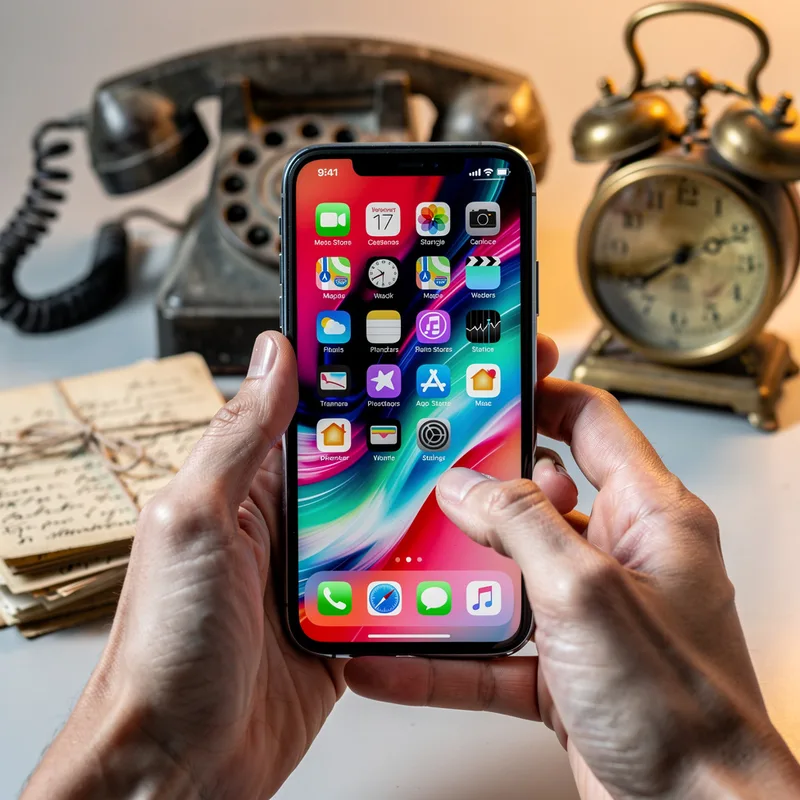
in this day and age
 48
3.8
48
3.8

- idiom
- But I think now in this day and age, it's so people will judge you off that.
Loading YouTube…
Watch on YouTubeAnd in this day and age, it happens more and more.
- And in this day and age, it happens more and more.
- And I think in this day and age, we're all in such a hurry, you know?
- And don't, don't put me in that camp in this day and age.
- And I think in this day and age, more than ever, people do both.
- So those old tricks, they don't always stick around, you know, in this day and age when films changing so fast.
- They're the only criminals who take the time to write a note in this day and age when we're just moving so fast.
- But you know, to, to be relevant and stay in this day and age, you know, you've got to be more, a little bit more modern.
- So if you don't have a Shopify business, you should get one honestly, in this day and age.
- OK, well, money is a really fast way to be able to get your hands on ingredients in this day and age.
- Because in this day and age, everyone is doing the same thing, especially only fans, girls.
- This is about my progression finding self love which I think is one of the most difficult things to do in this day and age.
Examples
-
You can't be too careful in this day and age.
Fiction book (1993) -
But why, in this day and age, are modern farmers still using this devastating and unsustainable practice?
-
And in this day and age, it happens more and more.
-
And I think in this day and age, more than ever, people do both.
-
I do think in this day and age, live and let live.
-
You can never tell in this day and age.
-
Why, oh why, is Christianity still relevant to so many in this day and age?
Blog text (8) -
Because it's so important in this day and age where people are forgetting things rapidly.
-
So I still think in this day and age, memorization still matters.
-
In this day and age, technology is an essential part of our lives.
Synonyms
 ∞
1.0
∞
1.0
At the present time
 267
1.3
267
1.3
At the present time rather than in the past
 68
1.2
68
1.2
Now, not in the past or future
 42
3.5
42
3.5
At the present time
 37
3.5
37
3.5
The present time that people often compare with the past
 29
3.4
29
3.4
The present time when people share common ideas and ways of life
 16
3.1
16
3.1
The time now with the common ideas and ways people live
 15
3.1
15
3.1
The recent period of history from the Industrial Revolution to today
 4
1.0
4
1.0
The present moment when something is happening
 2
3.4
2
3.4
The present time and the events, ideas, and conditions that shape life now

At the present time in general
Antonyms

How Current

Surface Forms
Morphology
The phrase combines clear temporal words ('day' and 'age') with the demonstrative 'this' and preposition 'in' to yield the meaning 'at the present time' — the overall sense is directly derivable from the constituents. This compositional temporal pattern is common across languages (e.g. 'these days', 'en estos tiempos'), so a B1 learner who knows the individual words will readily understand it.
Etymology
The phrase in this day and age comes from the image of putting a short day and a long age together to show the time we live in. That's why it means 'at the present time' and is used to compare now with the past.