

imp
 5
9.6
5
9.6

- noun
- /ɪmp/
- Literature
- Some imp of the perverse took hold of my lapels and whispered evil urgings into my ear.
- imps and demons
- imps and goblins
- an evil imp
Examples
-
Then, a deal-making imp appears.
Academic text (2018) -
When the imp returns again, the queen, pretending to guess, correctly states, "Rumpelstiltskin"
Academic text (2018) -
- Oh no, did the other imp get out, too?
-
Once upon a time there was an imp whose name we had to guess.
-
Thanks to the imp, the girl survived and became queen!
Academic text (2018) -
The imp agrees to give up his claim if she can guess his name.
Academic text (2018) -
Later, the royal couple's first child arrives and the imp returns for payment.
Academic text (2018) -
The queen's spy overhears the imp utter his name and reports back.
Academic text (2018) -
Yes, they're key to the dream, the workday dream: these bird-bright imps who, at intervals in the clockworks, pop with a raucous squeal out of one neat brown cubbyhole or another.
Fiction book (1996) -
The mischievous imp played tricks on the villagers every night.
Synonyms
 99
6.1
99
6.1
A small magical creature with pointed ears that often plays tricks
 33
8.4
33
8.4
A small magical creature with pointed ears that plays tricks
 23
8.3
23
8.3
An imaginary creature that secretly causes problems with machines and planes
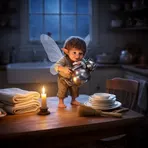 3
9.6
3
9.6
A small helpful household fairy that does chores at night
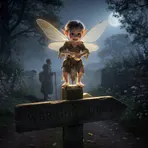 1
9.9
1
9.9
A small naughty fairy in English folk tales that plays tricks

A small spirit in old stories that sometimes helps or bothers people
How Scary

Surface Forms
Etymology
Imp originally came from Old English impa, which meant 'young shoot' or 'small offshoot'. Over time people started using the word for a small devil or sprite in stories, so an imp in folklore is a tiny, mischievous supernatural being.