

to hydrolize
- verb
- /haɪˈdrɒlaɪz/
- Specialized
- The enzyme will hydrolize the starch into sugars.
Examples
-
In the laboratory, they attempted to hydrolize the ester under controlled conditions.
-
The detergent is designed to hydrolize stubborn fat molecules during washing.
-
Enzymes can hydrolize certain sugars into simpler compounds.
-
Can you explain how to hydrolize the compound?
-
In the laboratory, they attempted to hydrolize the ester under controlled conditions.
-
Enzymes can hydrolize certain sugars into simpler compounds.
-
The detergent is designed to hydrolize stubborn fat molecules during washing.
Synonyms

 3
8.6
3
8.6

To break a substance into smaller parts using water
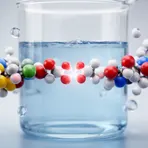
To break a chemical into smaller parts using water
Surface Forms
Morphology
hydrolize = hydro + lyze
This is a technical verb built from the classical combining form hydro- 'water' plus a bound lyze element, but the chemical sense is specialized and not fully guessable for an average learner.
Etymology
The word hydrolize comes from hydro- meaning 'water', like in hydrant, and -lyze meaning 'break', like in analyze. So to hydrolize something is to 'break it with water', which matches how enzymes or water split a compound.