
hurrier
- noun
- Archaic
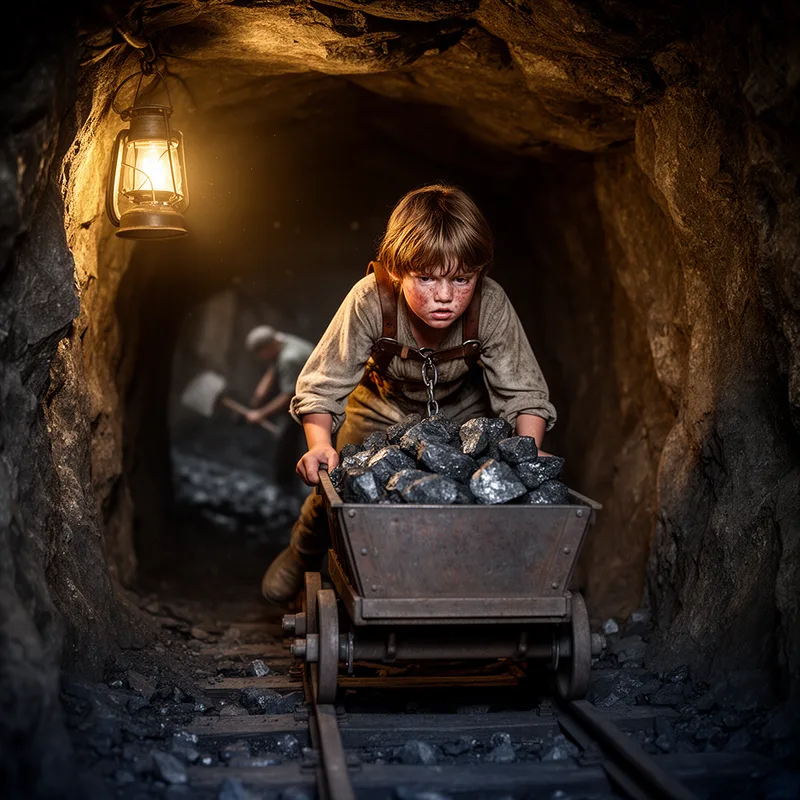
- Many hurriers were children who worked in dangerous and difficult conditions.
Examples
-
In the 19th century, a hurrier would spend hours underground moving heavy coal tubs.
-
The museum displayed a photograph of a young hurrier from a Yorkshire coal mine.
-
The hurrier worked tirelessly in the dark mines.
-
Many hurriers were employed in the coal mines of England.
-
In the 19th century, a hurrier would spend hours underground moving heavy coal tubs.
-
Many hurriers were children who worked in dangerous and difficult conditions.
-
The museum displayed a photograph of a young hurrier from a Yorkshire coal mine.
Synonyms
 313
2.3
313
2.3

A person who works in a mine to take coal or minerals from the ground
 26
2.5
26
2.5
A person who works underground to dig out coal
 3
9.8
3
9.8
A person who works in a coal mine digging out coal
 1
9.9
1
9.9
A person who works underground in a coal mine


 1
3.3
1
3.3
A person who works in a mine to take out coal or minerals
Surface Forms
Morphology
Etymology
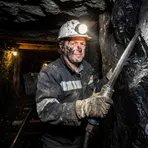
In old coal mines, a hurrier was a child or worker who pulled or pushed heavy coal carts. The name comes from the verb hurry ('move quickly'), because these workers had to speed the coal through narrow mine passages.