
hissy
7.7
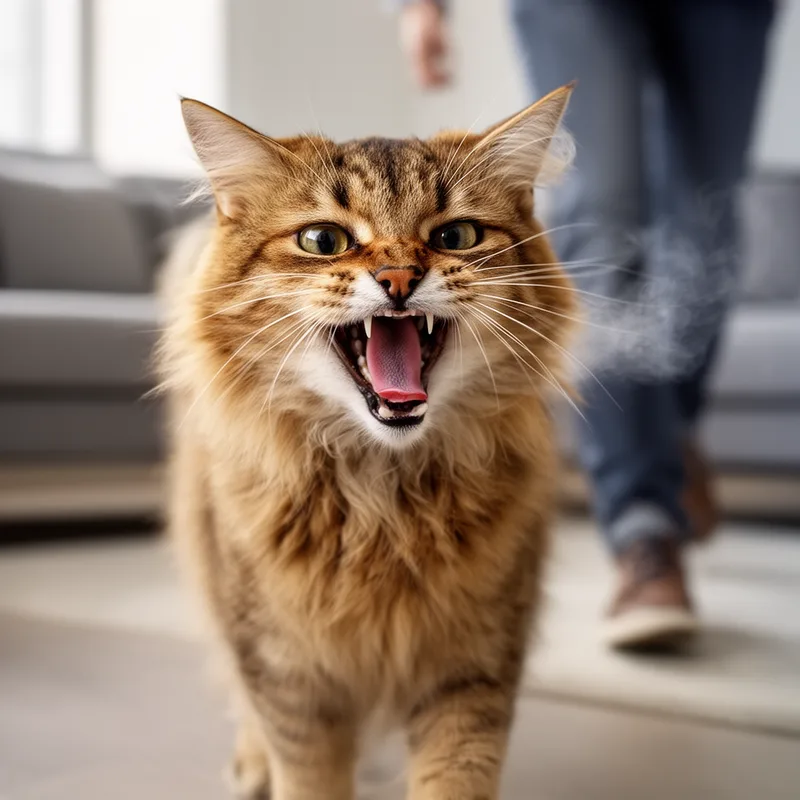
Making a sharp 'sss' sound to show anger or fear
- adjective
- /ˈhɪsi/
:
siseante
- Her voice became hissy as she expressed her frustration with the delay.
Loading YouTube…
Watch on YouTubeI just kind of wish that the noise cancelling wasn't as hissy as it is.
- I just kind of wish that the noise cancelling wasn't as hissy as it is.
Examples
-
The cat made a hissy sound when the dog got too close.
-
But noise, it kind of sounds hissy, right?
-
I just kind of wish that the noise cancelling wasn't as hissy as it is.
-
When he is angry, he often lets out a hissy breath.
Synonyms

 1
9.7
1
9.7

Feeling annoyed and in a bad mood
is an audible sibilant expression of annoyance rather than a personality trait

shrieky
vshissy

 1
7.2
1
7.2
Making a very high, loud, annoying sound that hurts your ears
is a sibilant angry sound that is thinner and less loud

grumbly
vshissy
1
4.4
Feeling annoyed and often complaining about things
is a sharper sibilant sound showing anger rather than low complaint

7.1
Showing irritation and wanting to be left alone
is an audible sibilant sign of anger rather than a silent mood
Antonyms


How Hissing

Surface Forms
hissy positive
Morphology
Etymology
Hissy is related to the sound 'hiss', which animals like cats or snakes make when they are angry or scared. That's why hissy can mean 'making a hissing sound' as a sign of anger or annoyance.