
heterogenic
- adjective
- /ˌhɛtəˈroʊdʒənɪk/
- Specialized
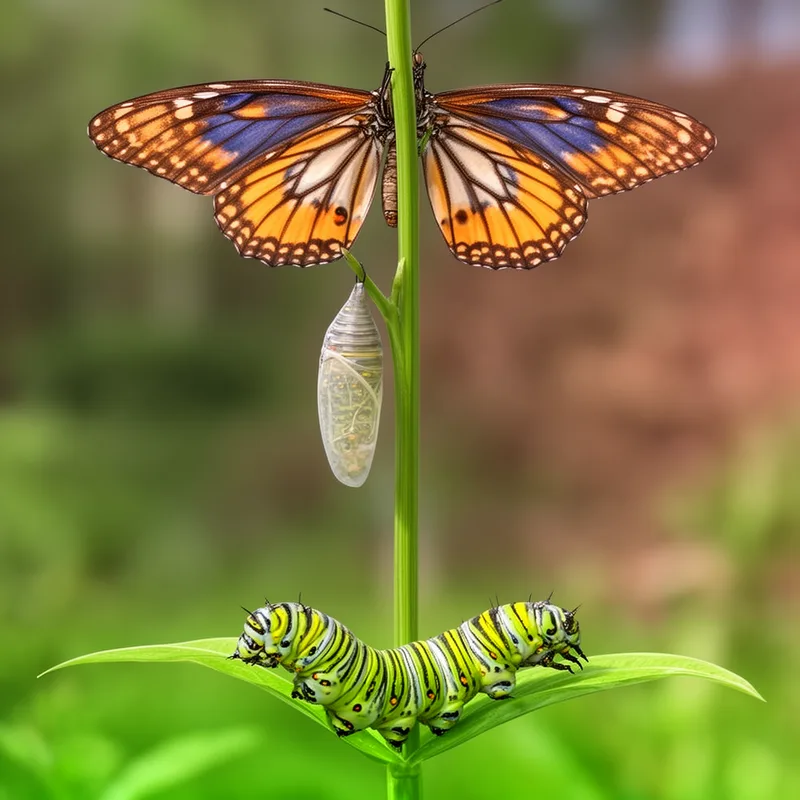
- Some parasites have heterogenic life cycles, with adult and larval stages that look completely different.
Examples
-
The scientist studied the heterogenic development of insects that change form dramatically as they mature.
-
A heterogenic process can result in organisms with very distinct appearances at different life stages.
-
The heterogenic nature of the species makes it difficult to study.
-
In biology, a heterogenic population can exhibit diverse characteristics.
-
Some parasites have heterogenic life cycles, with adult and larval stages that look completely different.
-
The scientist studied the heterogenic development of insects that change form dramatically as they mature.
-
A heterogenic process can result in organisms with very distinct appearances at different life stages.
Synonyms

 9
7.9
9
7.9

Made of different types of people or things, like scientists and artists
 1
9.9
1
9.9
A life cycle that alternates between two different generations
 1
8.9
1
8.9
Having many different forms, like minerals or animals with different looks

Parts that are different in form and evolved separately, like butterfly and bird wings

Not having the same origin or form as something similar, for example a bird wing and a bat wing
Not the same type of cell or structure
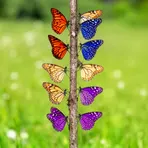
A species that has many different forms within one population
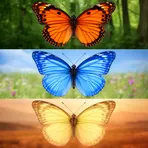
A species that has several different types

Made of different parts that are not the same throughout
Antonyms

How Different

Surface Forms
Morphology
heterogenic = hetero + gen + ic
The word is formally segmentable, but the generational or developmental sense is technical and not straightforwardly guessable from its parts for an average learner.
Etymology
Heterogenic comes from the Greek parts hetero- 'different' and -genic 'born' or 'origin', like in generation or genetic. So a heterogenic life cycle is one where the stages are 'born' very different and can look quite unlike each other.