
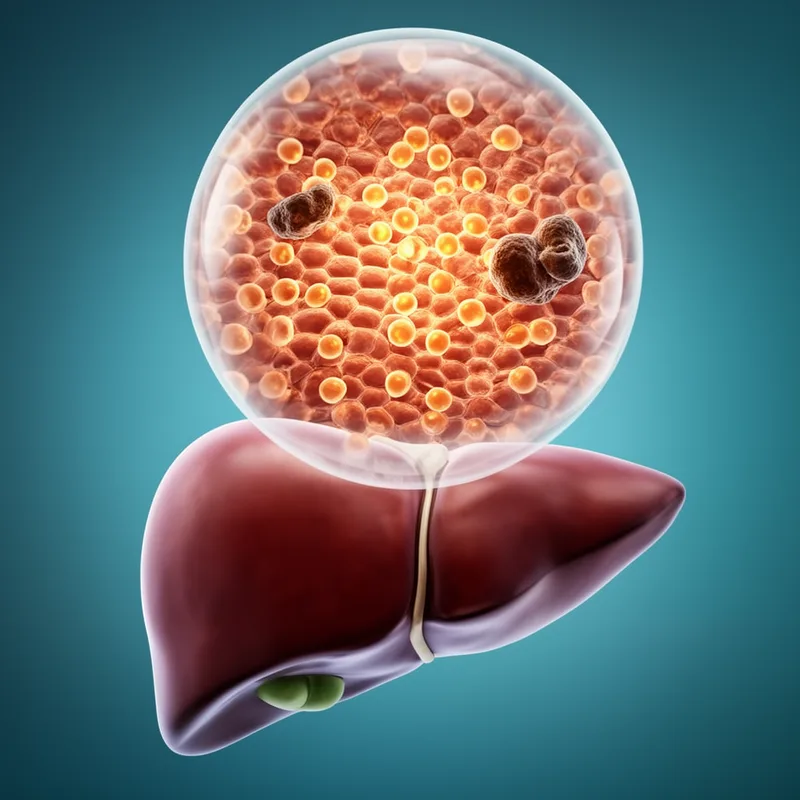
hepatocellular


 1
8.2
1
8.2
- adjective
- /ˌhɛpəˈtoʊsɛljələr/
- Specialized
- Mutations of the p53 gene are frequently found in hepatocellular carcinoma (HCC).
- hepatocellular carcinoma
- hepatocellular damage
- hepatocellular carcinoma patients
Examples
-
The complication rate is low, except in patients with hepatocellular carcinoma on cirrhotic liver.
Academic text (2007) -
The objective of treatment is to prevent hepatocellular carcinoma and/or decompensated cirrhosis (manifestations of end-stage liver disease).
Academic text (2014) -
Autopsy results were only available for 10 patients with hepatocellular carcinoma.
Academic text (2007) -
Non-T lymphocytes also seem to take part in the mediation of hepatocellular damage in chronic infection.
Academic text (1994) -
In addition, both of them can inhibit hepatocellular carcinoma cell growth, migration, and invasion, but via different signaling pathways.
Academic text (2017) -
For example, in patients with severe fibrosis, the incidence of hepatocellular carcinoma was 1% per year over an 8-year follow-up (3).
Academic text (2014) -
The strong association of persistent HBV infection and hepatocellular carcinoma (HCC) is intriguing, yet poorly understood.
Academic text (1994) -
Primary liver cancers, including hepatocellular carcinoma (HCC), are the second leading cause of cancer-related death worldwide and are increasing in incidence.
Academic text (2017) -
Davidiin, a phytochemical extracted from P. capitatum, has been shown to inhibit hepatocellular carcinoma (HCC) growth and possess anti-cancer properties.
Academic text (2017) -
The patient was diagnosed with hepatocellular carcinoma after several tests showed abnormal liver function.
Synonyms
 7
6.5
7
6.5
Relating to the liver
Compounds
Surface Forms
Morphology
Etymology
Hepatocellular breaks into hepato- meaning 'liver' and cellular from cell meaning 'small unit', so it means 'of the liver cells'. That's why hepatocellular describes damage or disease that starts in the cells of the liver.