
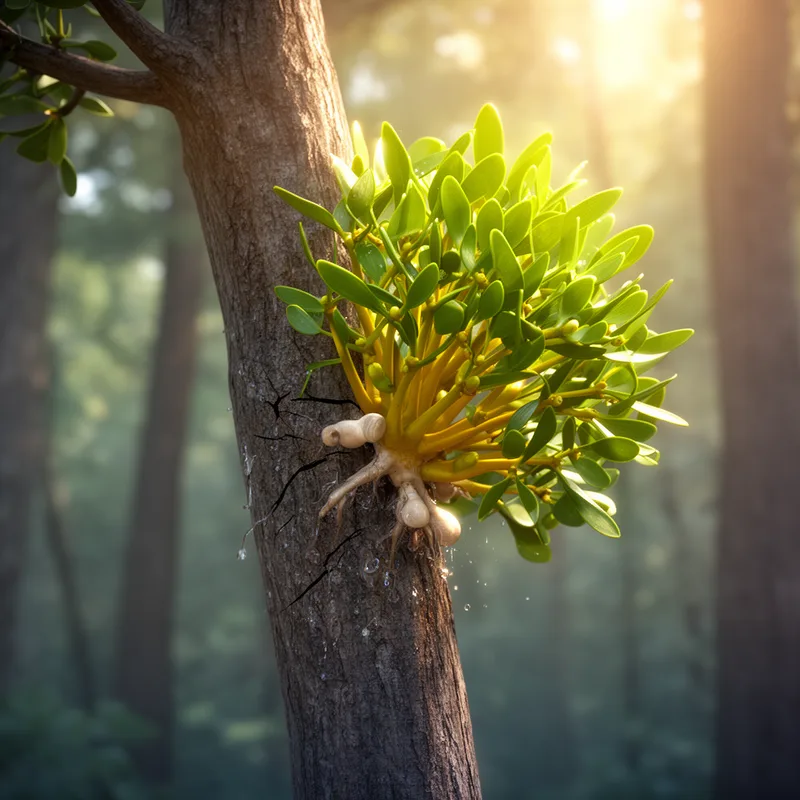
hemiparasite
- noun
- /ˌhɛmɪˈpærəˌsaɪt/
- Specialized
- The mistletoe is a well-known example of a hemiparasite that extracts water and nutrients from its host while also photosynthesizing.
Examples
-
As a hemiparasite, this plant can survive on its own but thrives better when attached to a host tree.
-
But it also photosynthesizes, making it technically a hemiparasite.
Academic text (1996) -
The sunflower family includes species that are hemiparasites, using their host plants to supplement their nutrient intake.
Synonyms
 136
4.2

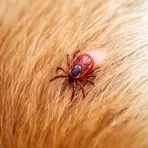
A living thing that lives on or inside another living thing and takes food from it

 1
5.3
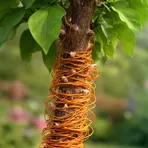
A plant that lives on another plant and takes its food from it
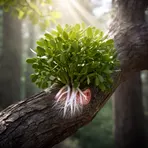
A plant that takes some food and water from another plant but also makes its own food from sunlight
How Parasitic

Surface Forms
Morphology
Etymology
Hemiparasite combines the part hemi- meaning 'half' (as in hemisphere) and parasite, a creature that lives on another and takes its food. So a hemiparasite is a 'half parasite' — a plant that can make some of its own food but still takes water and nutrients from a host.