
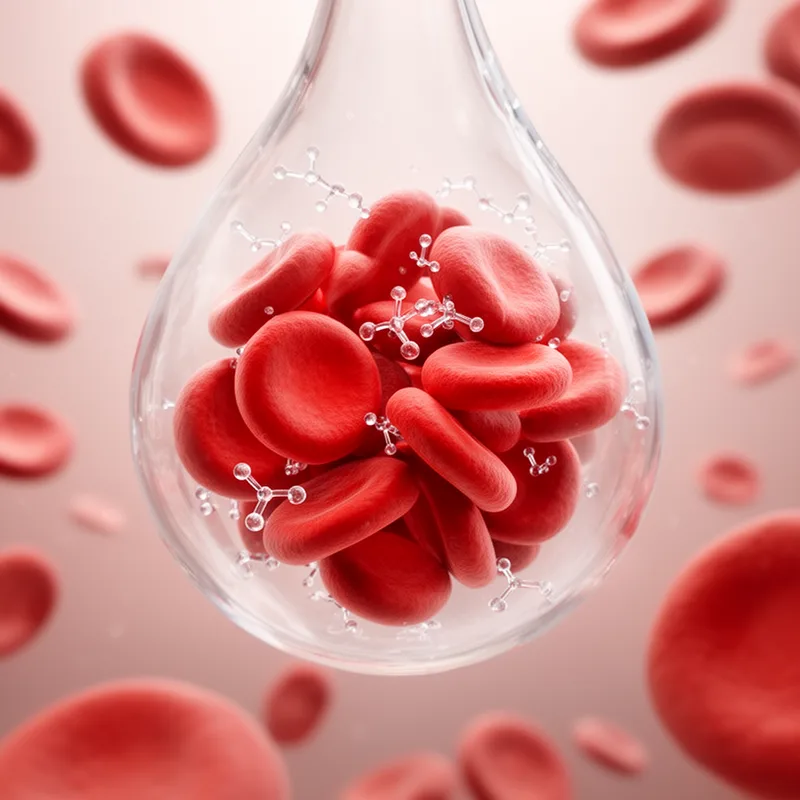
to hemagglutinate
- verb
- /ˌhiːməˈɡluːtɪneɪt/
- Specialized
 :
hemaglutinación
:
hemaglutinación
- Some viruses hemagglutinate red blood cells, causing clumps to form in the sample.
Examples
-
Influenza viruses haemagglutinate human red blood cells.
-
In laboratory tests, certain antibodies can hemagglutinate donor blood cells.
-
Scientists observed that the toxin did not hemagglutinate the cells under these conditions.
-
The virus can hemagglutinate red blood cells.
-
In laboratory tests, certain antibodies can hemagglutinate donor blood cells.
-
Some viruses hemagglutinate red blood cells, causing clumps to form in the sample.
-
The influenza virus can hemagglutinate red blood cells from various species.
Synonyms
To stick together and form clumps, as cells or particles
Antonyms



Surface Forms
Morphology
hemagglutinate = agglutinate (semi-transparent) = hemo + agglutin + ate
Formally regular prefixation of the combining form 'hemo-' (blood) to 'agglutinate' yields 'cause blood to clump', but both elements are technical, so the relation is not obvious to average learners.
Etymology
Hemagglutinate joins hemo- ('blood') and agglutin- ('glue together'), and the second part is easy to remember because it is like the common word 'glue'. So, to hemagglutinate is to make blood cells 'stick together', which explains the modern meaning of causing red blood cells to clump.