
heave


 1
9.6
1
9.6
- noun
- /hiːv/
- Specialized
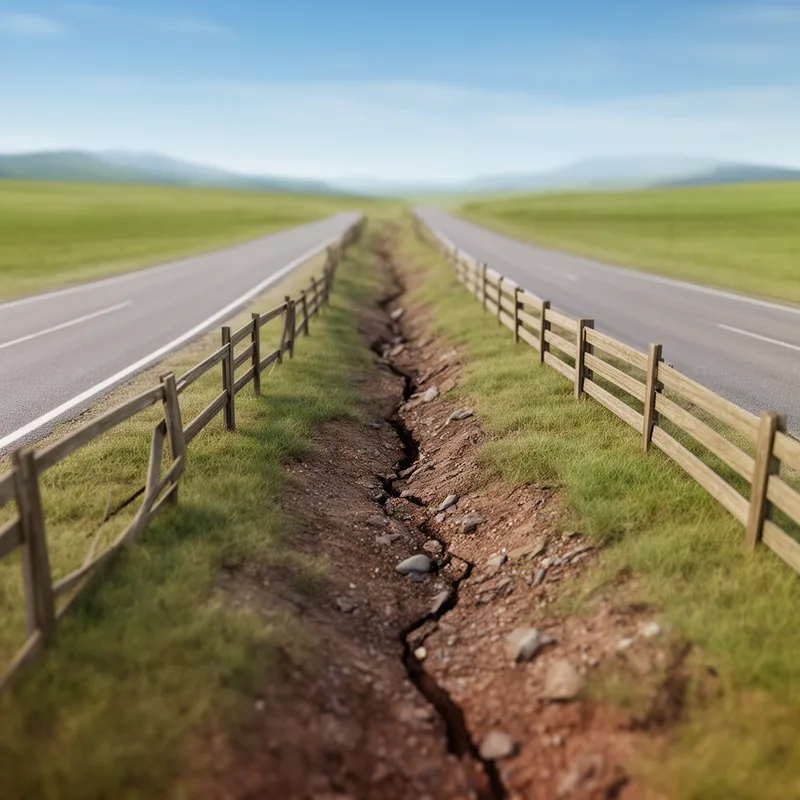
- The frost heave in his yard had created visible shifts in the soil, forming mounds and cracks in the ground.
Examples
-
In Arctic geology, frost heave occurs when repeated freezing and thawing cause soil displacement along the fault line.
-
First, he decided early on that what Pound would later say in the Cantos was correct: "To break the pentameter, that was the first heave."
Fiction book (2000) -
Some ice domes on Mars were ten kilometers across, but nearly all heaves had long since lost the water that produced them.
Fiction book (1993) -
Some were permafrosts and heaves, which produced hummocky terrain.
Fiction book (1993) -
The husband, whose name was Ronald Wilson, telephoned Ace and asked if there were any problems he should know about in the area regarding water-drainage patterns or frost heaves.
Fiction book (1996) -
Scientists studied the effects of frost heave on the landscape, noting how it alters rock formations over time.
Antonyms

Idioms

Compounds

How Large
- Specialized
13
5.9

- Specialized
1
9.6
4
6.0
8
1.0
- Specialized
10
8.6
Surface Forms
Etymology
Heave comes from the old English hebban 'to lift', and by extension it came to mean a force that moves or shifts the ground or rock. So a geological heave is the land being pushed or shifted along a fault.