

heat
 483
1.0

- noun
- /hiːt/
- Specialized
- Physicists then call it heat, and heat cannot do work.
- heat transfer
- heat exchanger
- heat energy
Loading YouTube…
Watch on YouTubeA star, like our sun basically makes heat and light by fusion.
- A star, like our sun basically makes heat and light by fusion.
- An ideal heat source for a small shop.
- And they react either with heat or with liquid or with acid.
- Physicists then call it heat, and heat cannot do work.
Examples
-
When placed in the sun, the metal surface absorbed heat quickly.
-
Vic Mahaney's graduate research was in the field of heat transfer, specifically related to electronic cooling.
Academic text (2011) -
Now, which way does the heat flow into it?
-
And it's the difference between heat and temperature.
-
But with great performance comes great heat and great fan noise.
-
Could you turn down the heat?
-
So now Earth has retained heat from its past.
-
And that pump shut off and the heat transfer stopped.
-
And so now they put the heat resistant paint on it.
-
Then, exhausted by the effort and drained by the heat, they collapsed onto the sand.
Fiction book (1990)
Synonyms
 121
1.0
A gentle feeling of heat on your skin
 5
3.2
The movement of warmth from a hotter thing to a cooler thing


 1
1.0
A gentle heat in a place or from the sun
Antonyms

Idioms



Compounds



- Specialized
11
4.6
A layer or device that protects a spacecraft from very hot air when it returns to the atmosphere


- Specialized
6
5.0
A weapon that follows the heat from a plane's engine to hit it

- Specialized
6
4.2
A machine that moves heat from outside air or the ground into a building to warm it

- Specialized
5
4.0
A condition when you feel dizzy, sick, and weak after being very hot and not drinking enough water

- Specialized
3
6.7
The total energy in a system, including energy from pressure and volume

- Specialized
3
4.5
A metal part that takes heat away from electronic parts so they do not get too hot
 2
7.0
Bright flashes in the far sky at night with no nearby thunder, often on hot evenings

- Specialized
2
4.1
A machine that moves heat between two liquids or gases without mixing them



- Specialized
2
5.0
Heat taken in or given out when a material changes state, such as melting and boiling


- Specialized
2
5.7
Amount of heat needed to raise one gram of a material by one degree Celsius



- Specialized
1
6.8
A condition of dizziness, feeling sick, and weakness from losing fluids in hot weather, also called heat exhaustion


- Specialized
1
4.4
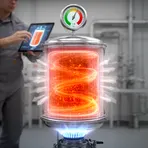
The release of heat from a machine or device to prevent overheating
- Specialized
1
7.0
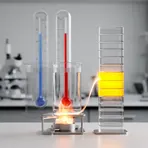
The amount of energy inside a system plus its pressure times its volume





- Specialized
1
8.2
The amount of heat needed to change a solid directly into a gas without becoming liquid


- Specialized
1
7.6
A very short, strong burst of heat from an explosion that can burn things nearby

- Specialized
1
7.2
Amount of heat needed to turn a liquid into steam without raising its temperature

- Specialized
1
6.3
The amount of heat needed to change one kilogram of solid to liquid at its melting point without changing temperature

- Specialized
1
6.7
The heat released or absorbed per mole when a compound forms from its elements under standard conditions

- Specialized
1
8.6
A speed limit where a plane gets so hot that its parts can be damaged
- Specialized
1
6.7
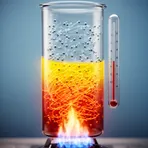
The idea that temperature goes up when particles move faster

- Specialized
Amount of energy given off for each kilogram when a liquid becomes solid, for example when water freezes

- Specialized
Heat released or taken in when a substance dissolves in a large amount of liquid like water

- Specialized
Amount of energy absorbed or released when a substance changes state like ice melting

- Specialized
A dangerous rise in body temperature after being in very hot conditions

- Specialized
Energy needed to break molecules into smaller parts in a hot gas or liquid

- Specialized
The number showing how much more heat a material needs at constant pressure than at constant volume
Surface Forms
Etymology
Heat comes from the old English word hāt meaning 'hot'; in science this became the name for the energy that moves from a hotter thing to a cooler one, so it is the movement of 'hotness'.