
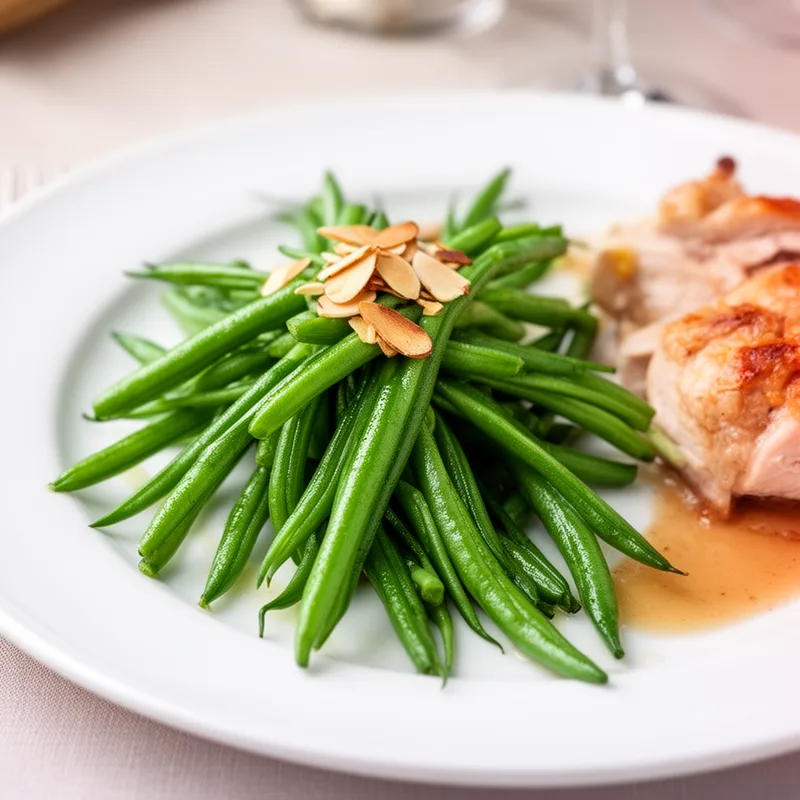
haricot vert
 1
9.2
1
9.2

- noun
- /ˌhærɪˈkoʊ vɛr/
- The chef garnished the dish with fresh haricot verts and almonds.
- haricot vert beans
- green haricots verts
- tiny haricots verts
Examples
-
I love to eat haricot verts in salads.
-
She prefers haricot vert because of their delicate texture and flavor.
-
We served steamed haricot verts alongside the roast chicken.
-
Have you ever tried haricot vert with garlic?
-
The chef prepared a gourmet dish featuring haricot verts sautéed in garlic and olive oil.
-
For a light salad, mix fresh haricot verts with cherry tomatoes and a drizzle of balsamic vinaigrette.
-
I ordered the grilled chicken served with haricot verts and a side of quinoa.
Synonyms
 2
7.9
2
7.9
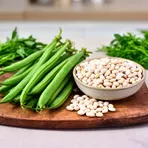
A bean often eaten as a green bean or a small dried bean
 1
1.0
1
1.0
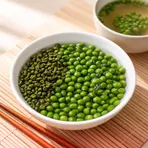
A small round seed used in Asian cooking, often dried or soaked

 1
2.1
1
2.1
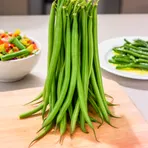
A long thin green vegetable that people eat cooked or raw
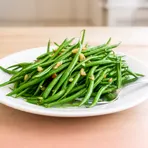
Thin green beans often served cooked as a vegetable
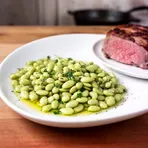
A small light green bean used in French cooking
How Thin

Surface Forms
Morphology
The meaning is directly compositional: haricot = bean and vert = green, so the phrase denotes a green (specifically small, slender) bean. Although it is a French loan used in culinary contexts, the constituent meanings transparently yield the overall sense, so a learner who knows both words can infer it.
Etymology
The noun haricot vert comes from French: haricot means 'bean' and vert means 'green'. Cooks used the name for a small, thin 'green bean', so in English haricot vert now means that delicate bean.