
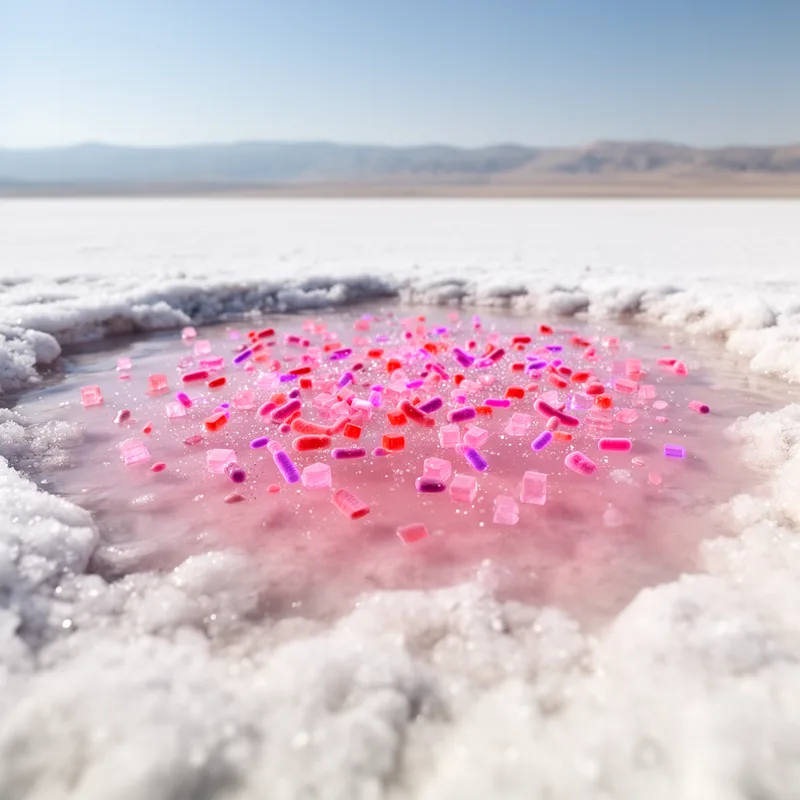
halobacteria


 1
9.9
- noun
- /ˌhæloʊˈbækˌtɪəriə/
- Specialized
- Some halobacteria produce red pigments that color salt flats.
Examples
-
The Dead Sea is known for its unique halobacteria populations.
-
Scientists discovered new species of halobacteria in the salt ponds.
-
The halobacteria in the Dead Sea are fascinating.
-
Some halobacteria can survive extreme salt concentrations.
-
Halobacteria are often found in the salty waters of the Dead Sea, where few other organisms can survive.
-
In salt flats around the world, halobacteria can thrive despite the harsh conditions.
-
Scientists study halobacteria for their unique adaptations to extreme salinity in their environments.
Synonyms
 1
9.9
A small living thing that lives well in very salty places like salt lakes
 1
9.9
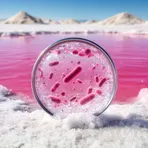
A tiny living thing that lives in very salty places like salt flats
A tiny living thing that lives in very salty places like the Dead Sea
Surface Forms
Morphology
Etymology
Halobacteria is made from the parts halo- meaning 'salt' and bacteria meaning 'tiny living things'. So, halobacteria are bacteria that live in very salty places like salt ponds and the Dead Sea.