
gunboat diplomacy


 1
8.1
1
8.1
- noun
- /ˈɡʌnˌboʊt dɪˈpləʊməsi/
- Literature
Examples
-
Was this not antiquated gunboat diplomacy?
Fiction book (1997) -
I haven't served 30 years in the engine room of a Starship to be accused of gunboat diplomacy!
Fiction book (1991) -
This near intervention led one observer to note that gunboat diplomacy was clearly in line with the State Department's commitment to pipelines and profits.
Academic text (2001) -
The government's use of gunboat diplomacy during the crisis demonstrated its willingness to exert military pressure on other nations.
-
Throughout the Cold War, gunboat diplomacy was a common strategy used by world powers to assert dominance.
-
Critics argue that gunboat diplomacy undermines peaceful negotiations and can escalate conflicts between countries.
Synonyms
 4
7.7
4
7.7
Showing weapons to scare other countries without fighting
 3
7.4
3
7.4
Countries use or threaten force to get what they want
 2
7.6
2
7.6
Government actions to get involved in other countries' affairs, often using political or military force
How Aggressive
476
4.3

- Offensive
- Literature
1
8.1
2
7.6
- Formal
201
3.7
Surface Forms
Morphology
The noun 'gunboat' (armed vessel) directly modifies 'diplomacy' (management of international relations), so a learner who knows both words can infer it refers to using or threatening naval/military force as a tool of foreign policy. This is a straightforward compositional pattern (weapon/means + diplomacy) and is readily derivable from the constituents, making it accessible to B1 learners.
Etymology
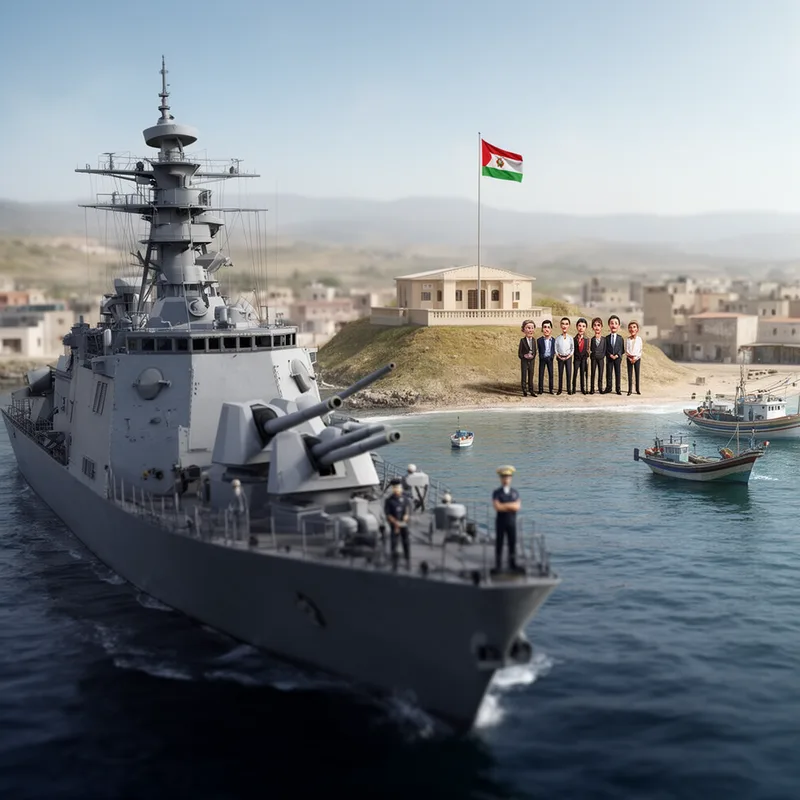
The phrase gunboat diplomacy comes from the time when powerful countries sent armed ships, called gunboats, into the ports of weaker countries to make them agree. The image of a warship waiting at the port explains why the term now means 'to use or threaten military force' in relations with other countries.