

gum labdanum
- noun
- /ɡʌm ˈlæbdənəm/
- Specialized
- Many perfumers rely on gum labdanum to give their fragrances a warm, resinous base note.
Examples
-
The harvest of gum labdanum from rockrose bushes was a painstaking seasonal task in ancient times.
-
Historically, gum labdanum was also valued for its supposed medicinal properties and use in incense.
-
The scent of gum labdanum filled the room.
-
Many perfumes use gum labdanum as a base.
-
Many perfumers rely on gum labdanum to give their fragrances a warm, resinous base note.
-
The harvest of gum labdanum from rockrose bushes was a painstaking seasonal task in ancient times.
-
Historically, gum labdanum was also valued for its supposed medicinal properties and use in incense.
Synonyms

Sticky dark resin from rockrose plants that smells warm and helps perfumes last
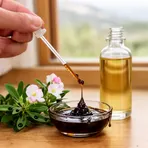
A soft, sticky dark sap from Mediterranean shrubs used in perfumes to make the scent last
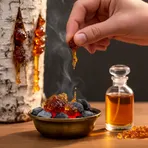
A thick sticky substance from some trees that people burn to make a pleasant smell and use in perfume

A fragrant gum from trees used for perfume and incense

A fragrant sticky gum from plants used long ago in medicine and perfumes
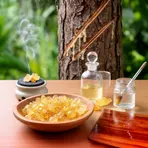
A fragrant resin from trees used in incense, varnish, and perfume

A fragrant resin from trees burned as incense in religious ceremonies

A strong smelling gum from trees burned in religious ceremonies

A gum from some plants used in perfumes and incense with a strong bitter smell

A sticky substance with a strong smell from sweet gum trees used in perfumes and medicines
Surface Forms
Morphology
The phrase is directly compositional: 'gum' denotes a sticky resin and 'labdanum' names the specific resin from rockrose plants, so together they indicate the resin (gum) of labdanum used as a fixative. This follows ordinary noun+noun naming patterns (e.g. 'gum arabic'), so a learner who knows both constituents can infer the meaning.
Etymology
Gum labdanum is a sticky brown resin taken from rockrose shrubs; the word gum shows it is sticky and labdanum is the old name for this plant resin. One popular story says shepherds found the resin on goats' beards or on leather combs after the animals brushed the bushes, and perfumers use it as a 'fixative' to make a perfume's warm scent last.

