

green bristlegrass
- noun
- /ɡrin ˈbrɪstəlˌɡræs/
- UK
- Farmers are advised to remove green bristlegrass early in the season to avoid competition with crops.
Examples
-
The park authorities identified the plant as green bristlegrass, a fast-growing invasive weed.
-
Green bristlegrass quickly invaded the edges of the cornfield, making weed control more difficult.
-
The green bristlegrass spread rapidly in the garden.
-
Many farmers consider green bristlegrass a nuisance.
-
Green bristlegrass quickly invaded the edges of the cornfield, making weed control more difficult.
-
Farmers are advised to remove green bristlegrass early in the season to avoid competition with crops.
-
The park authorities identified the plant as green bristlegrass, a fast-growing invasive weed.
Synonyms

A common wild grass often found as a weed in crop fields
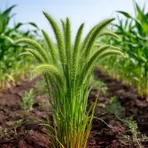
A common annual grass with green, bristly flower heads that often grows as a weed in fields
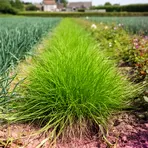
A grass from Europe that spreads easily and is a common weed
Surface Forms
Morphology
This is a straightforward adjectival modification: 'green' specifies a color variant of the noun 'bristlegrass', so the overall meaning is directly derivable as a type of bristlegrass that is green. The adjective+noun compounding is a common, compositional pattern found across languages, so a B1 learner who knows both constituents will readily understand the expression (even if they lack botanical specifics).
Etymology
The plant name green bristlegrass comes from how the plant looks: it is bright green and its seed head is full of short stiff hairs called bristles, so the top looks like a small brush or tail. That's why the name fits this common 'weed' that spreads quickly.

