
gravity gradient
- noun
- Specialized
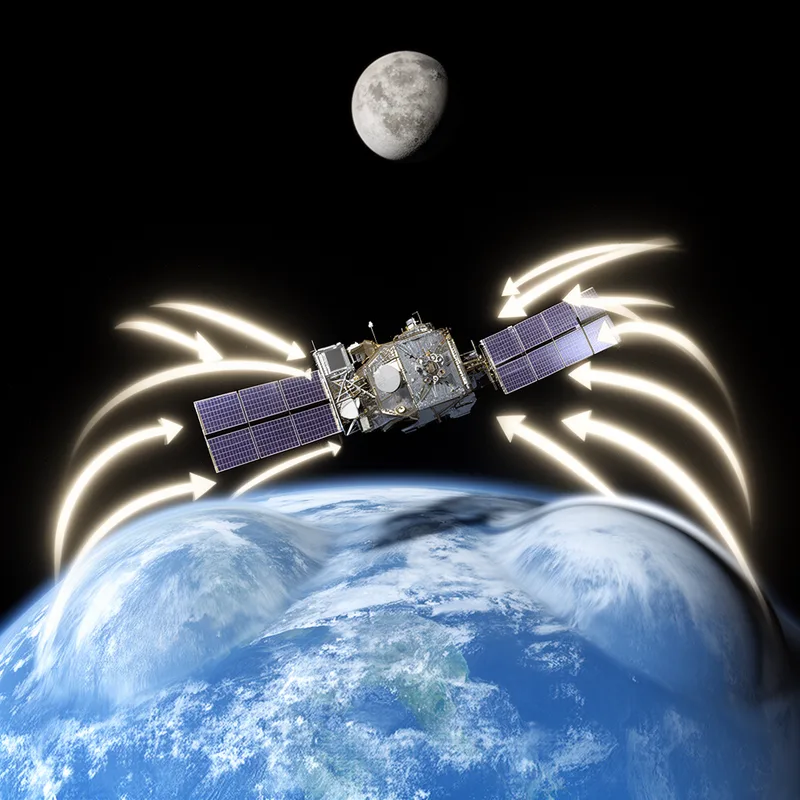
- The tidal forces caused by the Moon are a result of the gravity gradient across the Earth.
Examples
-
The gravity gradient around the Earth influences the stability of satellites in orbit.
-
The gravity gradient affects ocean tides significantly.
-
Engineers must consider the gravity gradient when designing equipment for space missions.
-
Scientists study the gravity gradient of Earth.
-
The gravity gradient caused the satellite to shift its orbit as it passed over the planet.
-
Changes in the gravity gradient can significantly affect the trajectory of a spacecraft.
-
Scientists study the gravity gradient to understand tidal forces acting on ocean currents.
How Strong
- Specialized

- Specialized
 8
4.6
8
4.6

Surface Forms
Morphology
The meaning 'difference in gravitational force across space' is directly and compositionally derivable from 'gravity' (attraction/force) + 'gradient' (a change or rate of change). Although it is a technical physics term, the semantic combination follows a standard and cross-linguistically common compositional pattern, so a B1 learner who knows both constituents can infer the core meaning.
Etymology
The term gravity gradient starts from the picture of gravity, the pull that draws things, and gradient, a word for a small 'change' across space. Imagine a long satellite where one end is pulled a bit more than the other; that 'difference in pull' is the gravity gradient, and that is why the term describes how gravity changes and affects tides and satellites.