

goose bump
 3
3.0
3
3.0

- noun
- /ɡus bʌmp/
- US
- After all these years, I still get goose bumps at these auctions.
- get goose bumps
Examples
-
Ooh, that was so scary, it gave me goose bumps.
-
I just got goose bumps.
-
Thinking about it just gives me goose bumps.
-
Do you have goose bumps?
-
Ooh, I just got goose bumps.
-
I get goose bumps.
-
Look... goose bumps.
-
The cool breeze hit her skin, raising goose bumps in its wake.
-
Ooh, that was so scary, it gave me goose bumps.
-
Thinking about it just gives me goose bumps.
Synonyms
 38
3.9
38
3.9
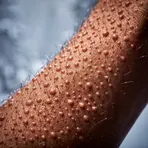
A small raised spot on the skin when someone feels cold, scared, or excited
 2
3.7
2
3.7
A small raised bump on the skin that appears when you feel cold, afraid, or have strong feelings
 1
7.8
1
7.8
Small bumps on your skin when you feel cold, afraid, or excited

 1
4.1
1
4.1
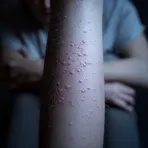
Small raised bumps on the skin when you are cold or scared

Small raised bumps on the skin that appear when you feel cold, afraid, or excited

Small bumps appear on the skin when hairs stand up from cold or fear
Surface Forms
Morphology
The noun 'bump' clearly signals a small raised area, so part of the meaning is derivable from the constituents; however 'goose' is metaphorical (referring to the bumpy appearance of fowl skin) and does not directly indicate the emotional/cold trigger that produces the phenomenon. Cross-linguistically many languages use a bird-skin metaphor (e.g. 'chicken skin'/'piel de gallina'), so learners may guess the physical sense but not fully predict the pragmatic/emotional cause, making the expression only partially transparent to a B1 learner.
Etymology
Goose bump may come from the picture of a plucked bird: when people pulled the feathers off a goose, its skin had small raised bumps. People then used that image for the small raised spots on human skin when you are 'cold' or 'scared', so the phrase now means that feeling.