
glyceride
- noun
- /ˈɡlɪsəˌraɪd/
- Specialized
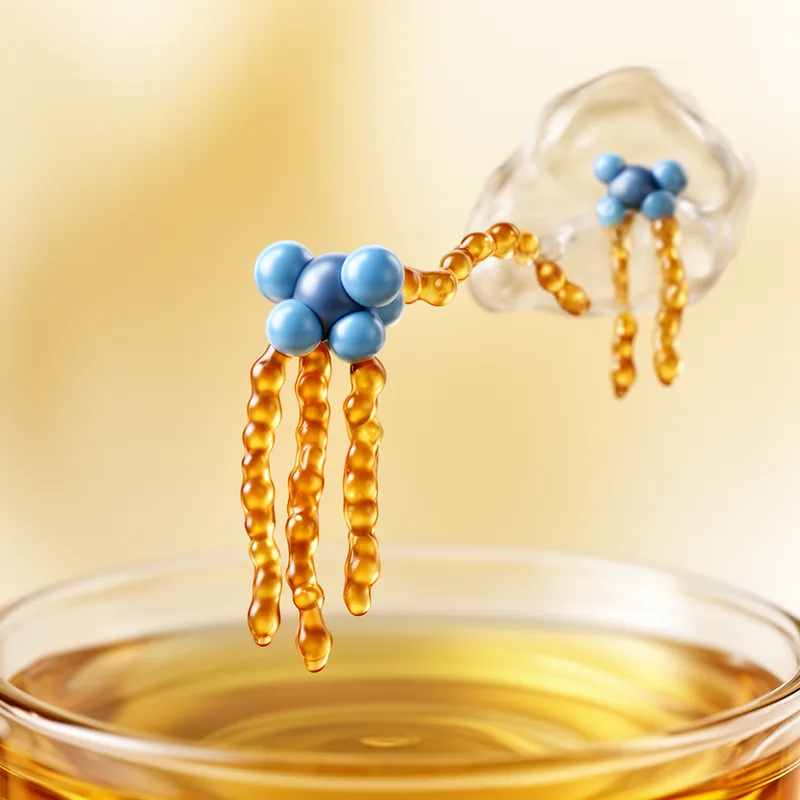
- Fats and oils are mainly composed of triglycerides, which are a type of glyceride formed by the esterification of glycerol and three fatty acids.
Examples
-
Then as shown in panel BA second fatty acid group will be placed on the only available hydroxyl to form a diacyl glyceride phosphate.
-
Fat: the glyceride ester of a fatty acid; a solidified animal or vegetable oil; plumpness or obesity; the best or most desirable part of something; having much too much fat or flesh; plump or obese; abounding in desirable elements.
-
Many processed foods contain glycerides, which contribute to their texture and flavor.
-
Understanding the role of glycerides in nutrition can help people make healthier dietary choices.
Synonyms

A substance in fats and oils made from glycerol and fatty acids, for example triglycerides

A part of fats and oils that forms when glycerol and an acid join
Surface Forms
Morphology
Etymology
The word glyceride comes from the root glycer-, from a Greek word that means 'sweet', and the ending -ide that marks a chemical part. The same glycer- is in glycerin, a sweet oily liquid, so a glyceride is a fat made from glycerin called glycerol and fatty acids, which is why glycerides make up most natural fats and oils.

