
glossa


 1
9.9
1
9.9
- noun
- /ˈɡlɑːsə/
- Specialized
- In his Glossa Compendiaria, Flacius speaks of our witnesses as prophets who testify to the truth and oppose error.
Examples
-
From the Greek glossa, meaning tongue, and phobos, fear or dread.
Academic text (2011) -
The Glossa
Academic text (2005) -
A. C. Hamilton notes that the term "gloss" derives from the Greek, where glossa referred to "a foreign or other obscure word which required explanation."
Academic text (2006) -
The veterinarian examined the dog's glossa to check for any abnormalities.
-
Zoologists often study the glossa of reptiles to understand their feeding habits.
-
In anatomy class, we learned that the glossa plays a crucial role in taste and digestion.
Synonyms
 601
1.0
601
1.0
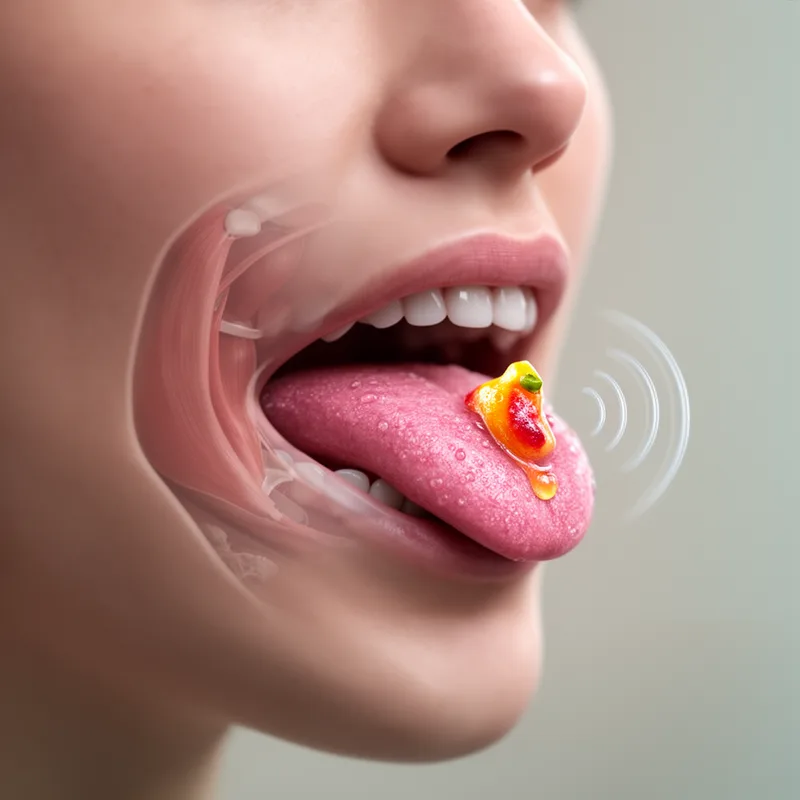
A soft movable part in the mouth used for tasting, eating, and speaking

A soft muscle in the mouth that can move and helps you taste and speak

The tongue used to speak
Surface Forms
Etymology
Glossa comes from an old Greek word glossa meaning 'tongue' and is the same root in glossary, which is a 'list of words'. So in biology glossa means the tongue or a tongue-like part used for eating or tasting in animals and insects.