
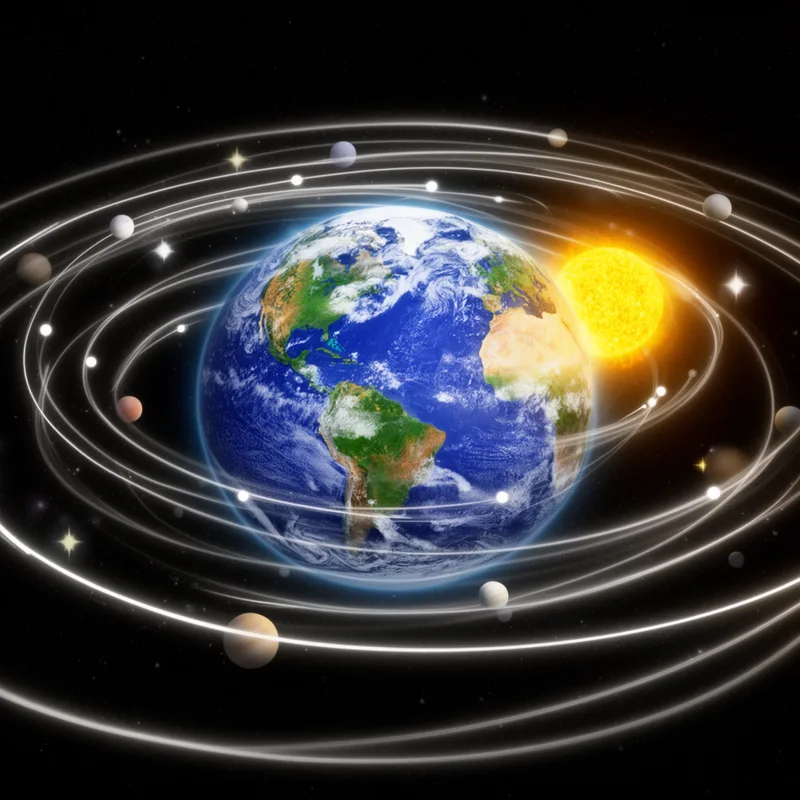
geocentric model


 1
8.3
1
8.3
- noun
- /ˌdʒiːoʊˈsɛntrɪk ˈmɒdəl/
- Specialized
- Aristotle supported the geocentric model, claiming that the Earth was stationary and at the center of all celestial movements.
Examples
-
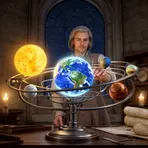
Copernicus, as you probably recall, decides that the geocentric model is wrong.
-
In ancient times, people believed in the geocentric model, which stated that the Earth was the center of the universe.
-
The geocentric model proposed that all stars and planets revolved around the Earth, a theory that was widely accepted until the Copernican Revolution.
Synonyms
 1
9.2
1
9.2
The belief that Earth is the center and other bodies move around it
 1
9.9
1
9.9
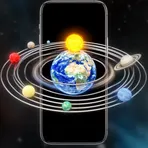
A model that puts Earth at the center and has the sun and planets move around it
Surface Forms
Morphology
The phrase is fully compositional: 'geocentric' literally means 'Earth-centered' and 'model' is a conceptual representation, so the combined meaning (an Earth-centered model of the cosmos) is directly derivable from its parts. This adjective+noun pattern is common in scientific vocabulary and similar formations exist cross-linguistically, so a B1 learner who knows both constituents would understand the MWE.
Etymology
The term geocentric model comes from an old image of the sky: geo means 'Earth' and centric means 'at the center', so people pictured the Earth with the sun, moon and stars moving around it like a wheel. That's why the phrase means 'Earth is the center of the universe'.