

genus Platylobium
- noun
- Specialized
- The genus Platylobium includes several species native to southeastern Australia.
Examples
-
The pea-like flowers of the genus Platylobium make it distinctive among Australian flora.
-
Botanists are studying the ecological role of the genus Platylobium in forest understories.
-
The genus Platylobium includes several unique species.
-
Did you know that the genus Platylobium is part of the legume family?
-
Ecologists are researching how the genus Platylobium contributes to biodiversity in its native ecosystem.
-
Many gardeners choose plants from the genus Platylobium for their attractive foliage and resilience.
-
The genus Platylobium stands out due to its ability to thrive in poor soil conditions.
Synonyms
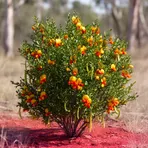
A small Australian evergreen shrub with pea-like flowers that belongs to the bean family
Surface Forms
Morphology
This is a straightforward compositional noun phrase: 'genus' (a biological rank) plus the proper-name 'Platylobium' (the name of the taxon). A B1 learner who knows both constituents can readily infer it denotes the genus called Platylobium; the pattern 'genus + name' is literal and cross-linguistically transparent.
Etymology
Genus Platylobium may come from old words meaning 'broad' (platys) and 'pod' (lobium) because these small shrubs have flat, wide seed pods, so the name helps you picture these little Australian pea plants.

