

genus Naias
- noun
- /ˈdʒɛnəs ˈnaɪəs/
- Specialized
- Several species within the genus Naias are important for maintaining water quality in lakes and ponds.
Examples
-
The aquatic plants in the genus Naias thrive in both fresh and brackish waters.
-
Did you know that the genus Naias is often referred to as water nymphs?
-
Botanists are studying the reproductive habits of the genus Naias to better understand aquatic ecosystems.
-
The genus Naias includes several species of aquatic plants.
-
Several species within the genus Naias play a crucial role in sustaining aquatic ecosystems.
-
The plants classified under the genus Naias are commonly known as water nymphs.
-
Botanists identify the genus Naias as essential for improving water quality in wetlands.
Synonyms

A water plant that grows in slow streams and shallow lakes and gives food and shelter to fish

A group of similar water plants that grow in lakes and ponds
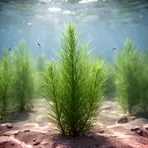
Water plants that grow fully underwater in fresh water
Surface Forms
Morphology
This is a literal taxonomic label formed by the noun 'genus' plus the proper name 'Naias'; if a learner knows 'genus' (a biological rank) and the name 'Naias' (a genus of aquatic plants), the combined meaning is directly inferable. Taxonomic naming is a transparent, cross‑linguistic compositional pattern, so the phrase poses no additional idiomatic or metaphorical difficulty.
Etymology
Genus Naias may come from the old Greek word 'naiad', meaning a 'water nymph' that lives in rivers and lakes. People thought these thin water plants looked like the home of such spirits, so the name came to mean a group of small aquatic plants.

