
genus Hieracium
- noun
- /ˈdʒɛnəs haɪˈrɑːkiəm/
- Specialized
- The genus Hieracium includes hundreds of species of hawkweeds found across the Northern Hemisphere.
Examples
-
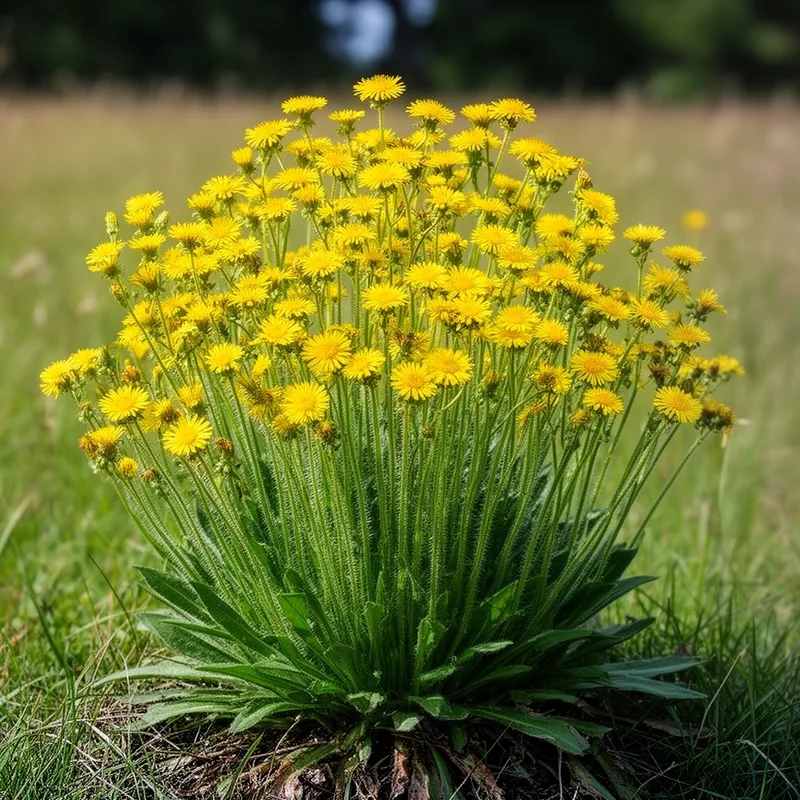
The flowers of the genus Hieracium are typically yellow and daisy-like.
-
Many botanists debate the classification of certain species within the genus Hieracium.
-
The genus Hieracium includes many species of hawkweeds.
-
Did you know that the genus Hieracium has over 200 species?
-
The genus Hieracium consists of a wide variety of plants, commonly known as hawkweeds, that thrive in many regions.
-
Botanists study the genus Hieracium for its diverse species and ecological significance in their native habitats.
-
Within the genus Hieracium, you can find numerous species that are characterized by their hairy leaves and bright yellow flowers.
Synonyms

A small wild plant with hairy leaves and bright yellow flowers
Surface Forms
Morphology
The phrase simply combines the taxonomic headword 'genus' (a biological rank) with the proper name 'Hieracium', so its meaning — the genus called Hieracium — is directly derivable from the parts. This compositional naming pattern is regular across languages and therefore readily understandable to a learner who knows both constituent words.
Etymology
Genus Hieracium comes from an old Greek word hierax, meaning 'hawk', because people believed hawks ate these plants to make their sight better. So the name explains why these yellow, daisy-like plants are called 'hawkweeds' today.

