
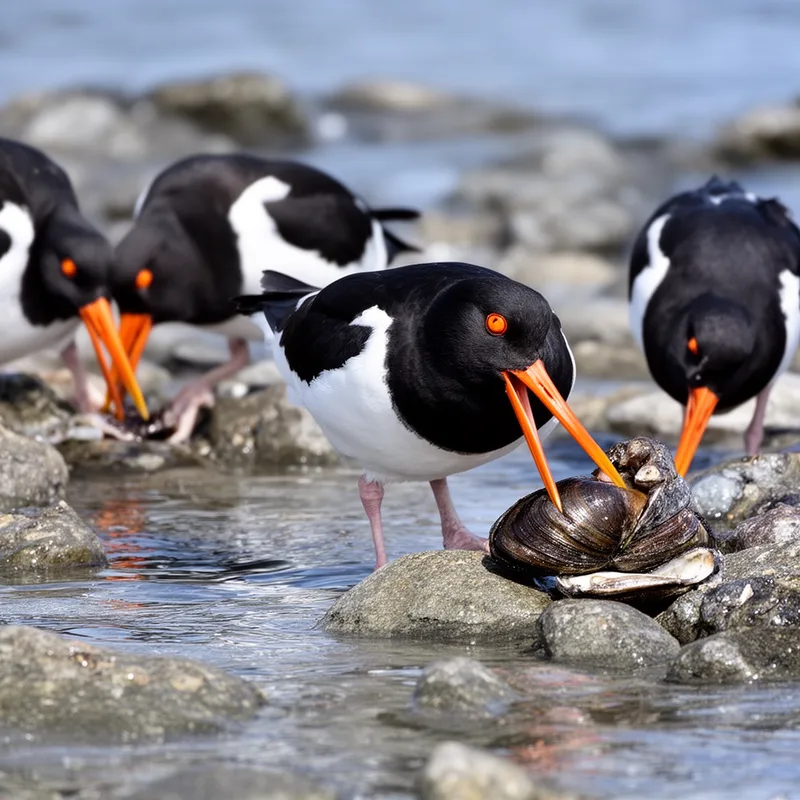
genus Haematopus
- noun
- /ˈdʒɛnəs hiˈmætəpəs/
- Specialized
- Birds in the genus Haematopus are easily recognized by their bright orange bills, which help them crack open shellfish.
Examples
-
The genus Haematopus includes several species of oystercatchers.
-
Birds in the genus Haematopus are easily recognized by their bright orange bills.
-
Conservationists are studying the habitats of the genus Haematopus to protect declining populations.
-
The genus Haematopus includes all species of oystercatchers found worldwide.
-
Birdwatchers often seek out the genus Haematopus during their trips.
-
Conservationists are studying the habitats of the genus Haematopus to protect their declining populations in coastal areas.
-
The genus Haematopus encompasses various species of oystercatchers, each known for their distinct behaviors and habitats.
Synonyms


 1
9.9
A group of shore birds called oystercatchers that live on coasts worldwide
Surface Forms
Morphology
The phrase is simply the taxonomic label combining the rank 'genus' with the proper name 'Haematopus', so its meaning (the genus named Haematopus, i.e. a group of oystercatcher species) is directly derivable from the constituents. Biological naming conventions are compositional and cross-linguistically familiar, so a B1 learner who knows both words will understand this expression.
Etymology
Genus Haematopus comes from two old Greek words, haima and pous, and literally means 'blood-foot' because many of these shore birds have bright red legs. These birds are the 'oystercatchers'—shore birds with strong orange bills that open shellfish, so the name helps you remember this group of birds.