
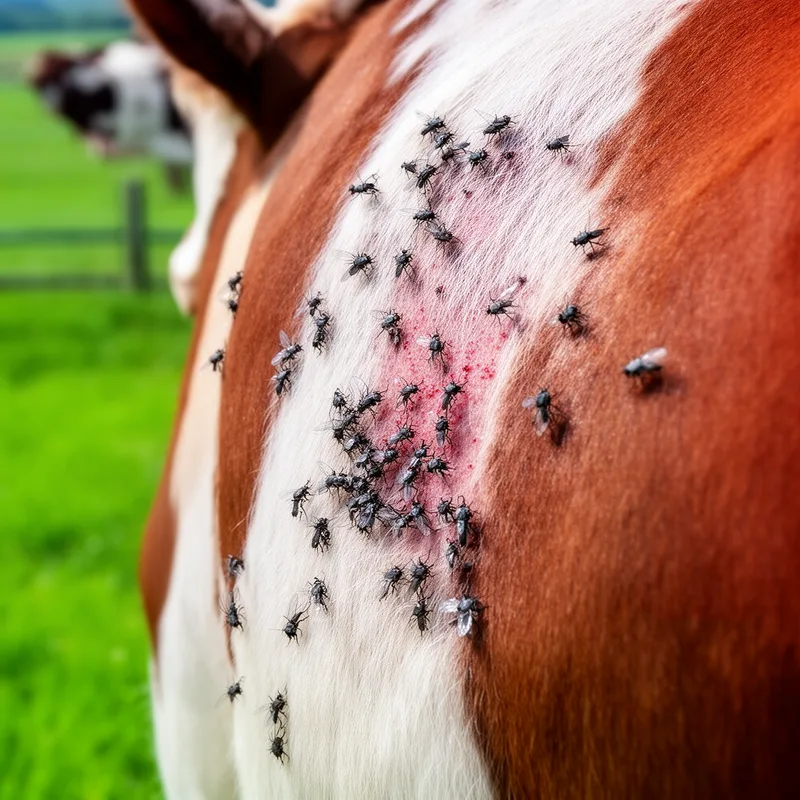
genus Haematobia
- noun
- Specialized
- The common horn fly belongs to the genus Haematobia, known for infesting cattle.
Examples
-
The bites from flies in the genus Haematobia can transmit diseases among livestock.
-
The genus Haematobia includes several species that feed on livestock.
-
Researchers studied the distribution of the genus Haematobia across different European regions.
-
Did you know that the genus Haematobia is known for its bloodsucking behavior?
-
Researchers studied the distribution of the genus Haematobia across various European regions where they impact livestock.
-
The bites from flies in the genus Haematobia can cause significant health issues for cattle.
-
Farmers often take measures to control the genus Haematobia to protect their livestock from its harmful effects.
Synonyms
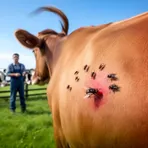
A small fly that drinks blood from cattle and causes problems for farmers
Surface Forms
Morphology
The phrase combines the noun 'genus' (a biological rank) with the proper name 'Haematobia', so its meaning — the taxonomic genus named Haematobia — is directly and predictably derived from its parts. This follows standard, cross-linguistic scientific naming conventions, so a learner who knows both constituents would understand it.
Etymology
Genus Haematobia combines genus (a named group) and Haematobia, a word made from Greek that means 'blood', so it paints the picture of tiny flies that live on and feed on animals' 'blood'.

