
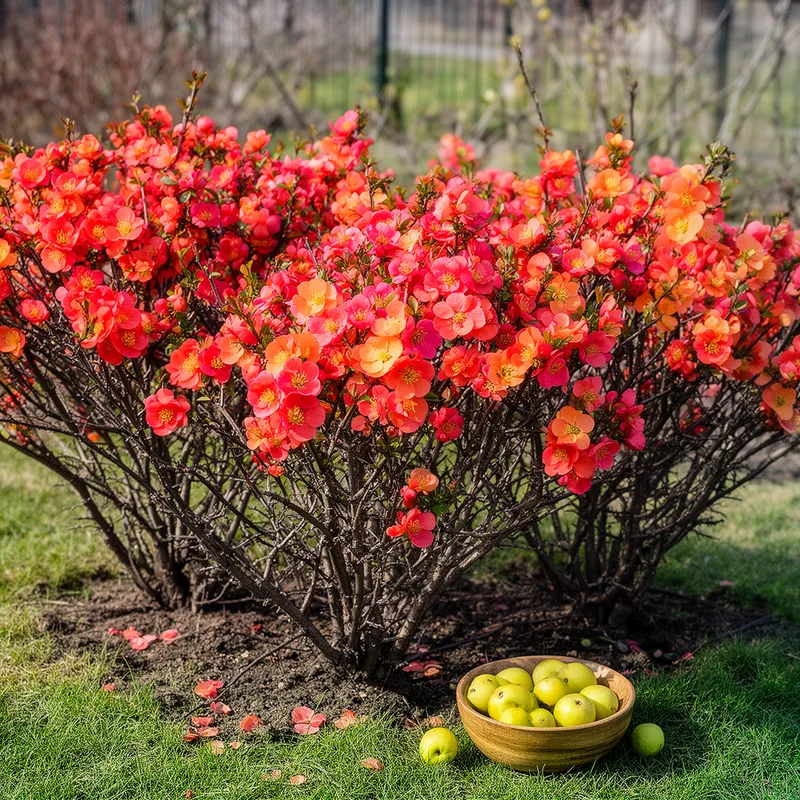
genus Chaenomeles
- noun
- /ˈdʒiːnəs keɪˈnoʊmɪliːz/
- Specialized
- Many gardeners plant genus Chaenomeles for its vibrant spring blossoms.
Examples
-
The genus Chaenomeles includes several species of flowering quince.
-
The fruit of genus Chaenomeles can be used to make jellies and preserves.
-
Species within genus Chaenomeles are valued for their hardiness and decorative appeal.
-
Did you know that the genus Chaenomeles is native to eastern Asia?
-
Many gardeners plant genus Chaenomeles for its vibrant spring blossoms.
-
Species within genus Chaenomeles are valued for their hardiness and decorative appeal.
-
The fruit of genus Chaenomeles can be used to make jellies and preserves.
Synonyms
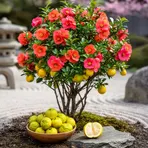
A small bush from East Asia with bright spring flowers and hard fruit
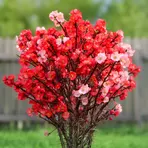
A small Asian shrub with spiny branches and red or pink flowers
Surface Forms
Morphology
The phrase is fully compositional: 'genus' denotes a biological rank and 'Chaenomeles' is the taxon name, so a learner who knows both words will infer it refers to the taxonomic group of Chaenomeles (flowering quince). This naming pattern is standard in biology and cross-linguistically common, making the meaning directly derivable from the constituents.
Etymology
Genus Chaenomeles may come from old Greek words chaino and melo, meaning 'open' and 'apple', because the plant's flowers and fruit look a bit like an open apple. So the name fits the flowering quince.

