
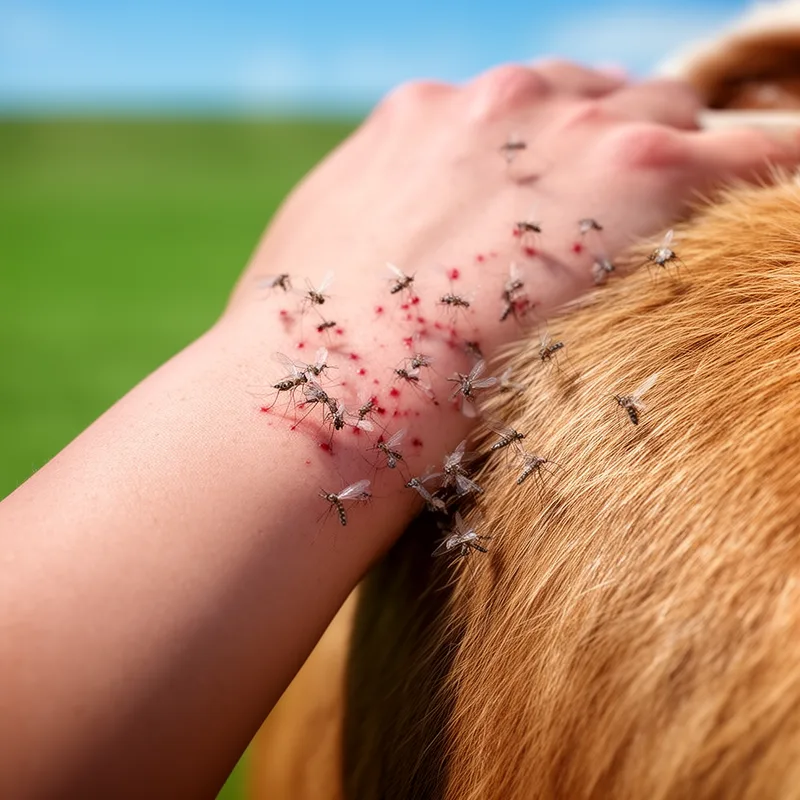
genus Ceratopogon
- noun
- /ˈdʒɛnəs ˌsɛrəˈtoʊpəˌɡɒn/
- Specialized
- The genus Ceratopogon includes many species of bloodsucking midges found worldwide.
Examples
-
Some members of the genus Ceratopogon are known vectors for various animal diseases.
-
Entomologists often study the genus Ceratopogon due to its impact on human and animal health.
-
The genus Ceratopogon includes many species that are vectors of disease.
-
Many researchers study the genus Ceratopogon for its ecological impact.
-
Entomologists often study the genus Ceratopogon due to its impact on human and animal health.
-
Some members of the genus Ceratopogon are known vectors for various animal diseases.
-
The genus Ceratopogon includes many species of bloodsucking midges found worldwide.
Synonyms
Small biting flies like tiny mosquitoes that live near water and bite people or animals
Surface Forms
Morphology
The phrase is fully compositional: 'genus' names a biological rank and 'Ceratopogon' is the taxon label, so together they denote the taxonomic group called Ceratopogon (a genus of biting midges). Biological naming is a transparent, cross-linguistic convention, so a B1 learner who knows both constituents can reliably infer the meaning.
Etymology
Genus Ceratopogon may come from old Greek words cerato- ('horn') and -pogon ('beard'), creating an image of tiny horn- or beard-like bristles on the insect. So the name fits these small 'biting midges' known for tiny bristly parts and bloodsucking habits.

