
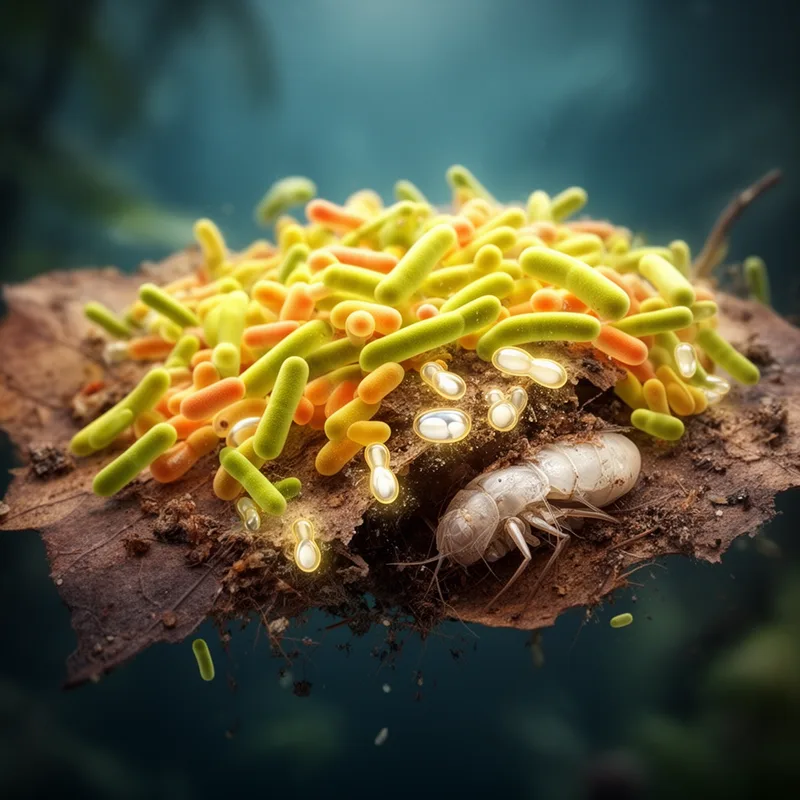
genus Bacillus
- noun
- /ˈdʒɛnəs bəˈsɪləs/
- Specialized
- Scientists discovered a new species within the genus Bacillus that helps decompose organic waste.
Examples
-
The genus Bacillus is known for producing endospores that allow the bacteria to survive harsh conditions.
-
Some members of the genus Bacillus are used commercially for their probiotic properties.
-
The genus Bacillus includes several important species.
-
Many species from the genus Bacillus are used in biotechnology.
-
Scientists discovered a new species within the genus Bacillus that helps decompose organic waste.
-
The genus Bacillus includes several important species involved in the decay of organic matter.
-
Many species from the genus Bacillus are used in biotechnology to promote plant growth.
Surface Forms
Morphology
The meaning is directly compositional: 'genus' (a biological rank) combined with 'Bacillus' (a rod-shaped bacterium) yields the taxonomic group containing Bacillus species. An average B1 learner who knows both constituent words can infer this sense, and the taxonomy logic is cross-linguistically familiar, supporting transparency.
Etymology
Genus Bacillus comes from Latin: the word bacillus means 'little rod' and genus means 'group'. Scientists used this name because these bacteria look like tiny rods or sticks, so the name refers to a group of rod-shaped bacteria.

