
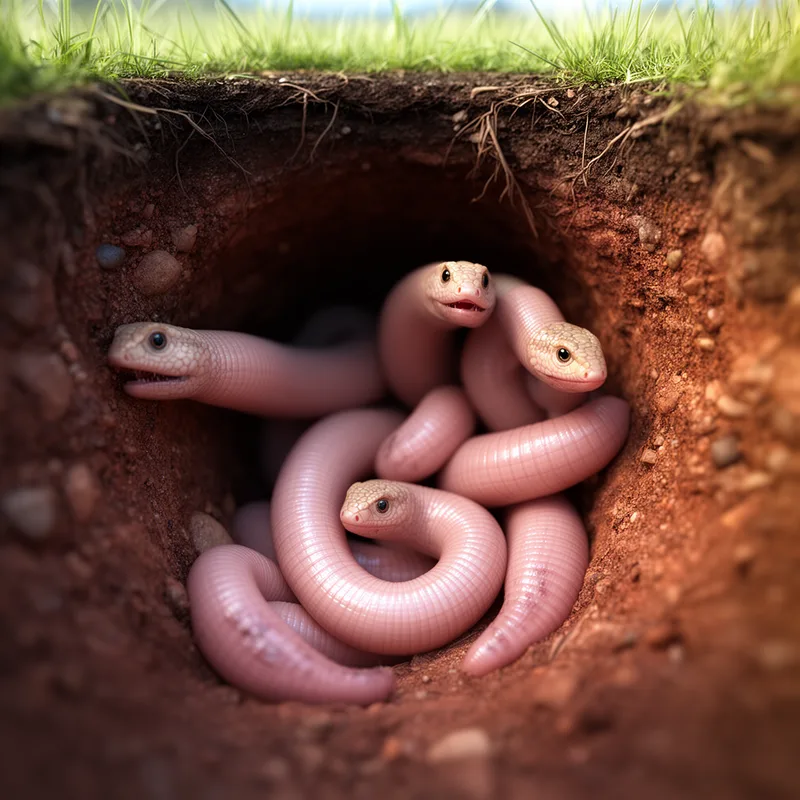
genus Amphisbaenia
- noun
- /ˈdʒɛnəs æmˈfɪsbiːniə/
- Specialized
- The genus Amphisbaenia is composed of legless, burrowing reptiles known as worm lizards.
Examples
-
Species under the genus Amphisbaenia can be found in both South America and Africa.
-
Herpetologists study the genus Amphisbaenia to understand evolutionary adaptations in reptiles.
-
The genus Amphisbaenia includes several unique species.
-
Did you know that genus Amphisbaenia is known for its burrowing abilities?
-
Herpetologists study the genus Amphisbaenia to understand evolutionary adaptations in reptiles.
-
Species under the genus Amphisbaenia can be found in both South America and Africa.
-
The genus Amphisbaenia is composed of legless, burrowing reptiles known as worm lizards.
Synonyms

A lizard with no legs and a long body that digs and lives underground

A group of legless burrowing lizards that look like worms

A group of legless lizards that live underground
Surface Forms
Morphology
The phrase combines the taxonomic noun 'genus' (a rank grouping related species) with the taxon name 'Amphisbaenia' (burrowing/worm lizards), so its meaning — the genus called Amphisbaenia comprising those lizards — is directly derivable from the parts. Although somewhat technical, this compositional pattern is standard in biology and cross-linguistically common, so a learner who knows both constituents would understand it.
Etymology
Genus Amphisbaenia gets its name from Greek words amphis ('both') and bainein ('to go'), which mean 'go both ways', because these worm lizards can move forward and backward and their head and tail look alike, so the name was used for this group of reptiles that live underground.

