
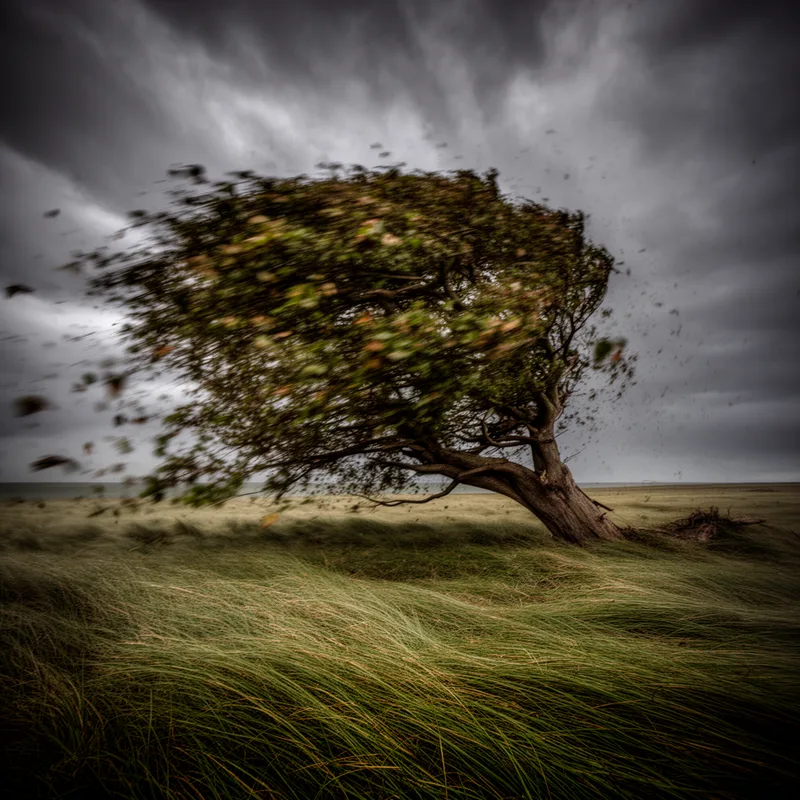
gale
 24
5.8
24
5.8

- noun
- /ɡeɪl/
- Gale force winds straight from the Devil's nostrils whipped his ship like a rubber ducky.
- gale-force winds
- gale force
- violent gales
Loading YouTube…
Watch on YouTubeWith Goggins, you've journeyed through storms and gales.
- With Goggins, you've journeyed through storms and gales.
- Well, we get gales from November all the way to pretty much like February or March.
Examples
-
During a southwesterly gale in the Bristol Channel on 3 December 2006, a 1.5-meter surge occurred.
Academic text (2009) -
There are warnings of gales in Finisterre.
-
There they are, standing together in gale force winds, holding on for dear life.
-
Well, we get gales from November all the way to pretty much like February or March.
-
Weather Service says we've got a gale coming down on us.
-
The wind was now a constant gale, ripping over the car, the point, and the ocean all around.
Fiction book (1991) -
Rain hammered down from the sky in Torrance, Gale force winds blew, and the sea became rough.
-
It had started to rain and the wind had become a regular gale when Tom strolled home through Elm Street.
-
Gale-force winds up to... an incredible 250 miles an hour lashed the countryside... while 12 inches of rainfall have already been recorded in just one day.
-
The weather forecast warns of gale-force winds reaching up to 70 knots this evening.
Synonyms
 29
1.6
29
1.6
A very strong wind that can blow down trees and cause damage
 23
1.0
23
1.0
A wind that blows very hard and can move things

A very strong wind that can topple trees and damage buildings

A very strong sea wind that blows about 45 to 53 miles an hour

A very strong wind blowing at about 100 kilometres an hour

A strong wind of about 37 to 44 miles per hour that makes sailing difficult

A very strong wind that blows at about 60 to 70 kilometres per hour

A very strong wind that blows hard
Antonyms


Compounds
- Specialized
A strong wind of about 37 to 44 miles per hour that makes sailing difficult



How Strong

Surface Forms
Etymology
Gale probably comes from an old Norse word gala meaning 'to sing' or 'cry out', because a very strong wind often 'howls' like a loud voice, and people used that image for stormy wind. So a gale is easy to remember as a wind that 'sings' or howls fiercely.