
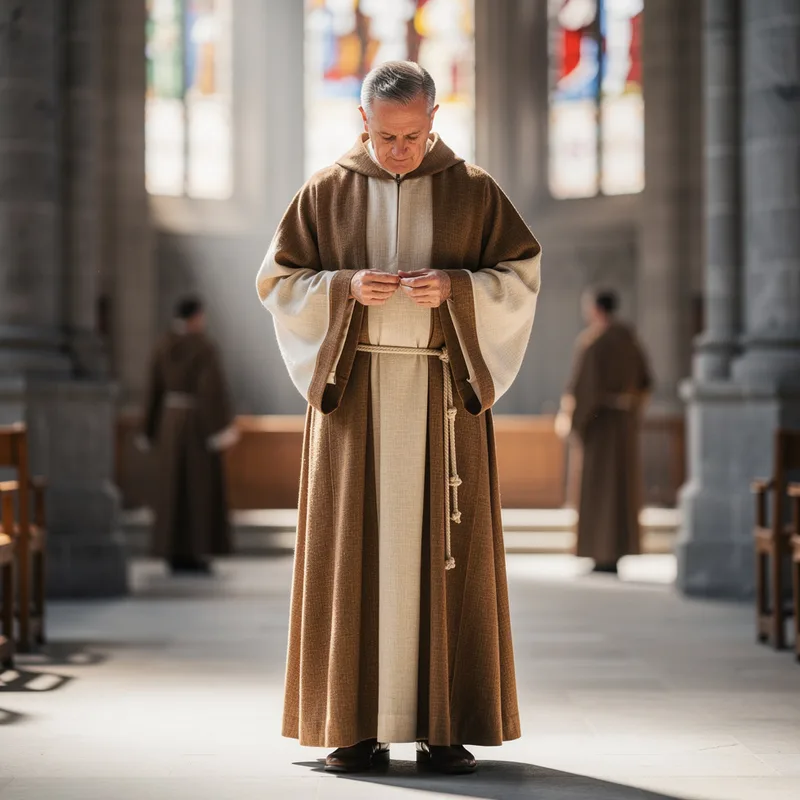
frock
 2
7.3
2
7.3

- noun
- /frɑk/
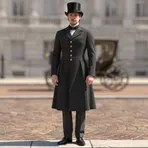
- To be photographed, he’d chosen a frock coat of shiny black silk with an ostentatious metal star pinned to the lapel.
- a black frock
- a long frock
- frock coat
Examples
-
She chose a colorful frock for the special occasion at the church.
-
"Ask them to put on their green frocks and join us."
Fiction book (1999) -
There he stood in his black frock coat, top hat in his hands, sober and silent.
Fiction book (1998) -
A Council of Baltimore determined that priests would instead wear the frock coat.
Blog text (26) -
Gilkes, never far from anything happening at the school, watched each game dressed in his frock coat and top hat.
Fiction book (1999) -
The man with his beard and his Black Hat and his black frock and with his peculiar flowing sleeves is all alone.
-
Silent, pale men with long sidelocks of hair, wearing black frock coats and fur hats, passed her on their way to the synagogue.
Fiction book (1993) -
His black frock coat, plaid vest, and baggy trousers spoke of money and quality, but were wrinkled and creased.
Fiction book (1992) -
The priest wore a long white frock during the Sunday service.
-
As the vestments hung in the closet, the old frock caught her eye, reminding her of her childhood.
Synonyms
 284
1.3
284
1.3
A long loose piece of clothing worn at ceremonies by judges or graduates
 192
2.5
192
2.5
A long formal robe like those worn at graduations or in court
 21
5.3
21
5.3
A loose outer piece of clothing worn to protect clothes while working or for ceremony
 8
2.8
8
2.8
A long loose robe you wear over night clothes before getting dressed or while relaxing at home
 6
9.8
6
9.8
A long robe worn by priests or choir members in church
 1
9.9
1
9.9
A long loose coat reaching to the ankles worn in the past

A long robe worn over an inner robe by priests or monks in Eastern Christian churches

A long collared robe with narrow sleeves worn by priests and monks under other clothes
Compounds
- Archaic
2
9.9
A formal coat for men with skirts that reach the knees, common in the 1800s
How Ceremonial

Surface Forms
Etymology
Frock kept an older sense of a long, loose robe worn over the body, which is why the word is used for a monk's or priest's religious 'habit' or robe.