
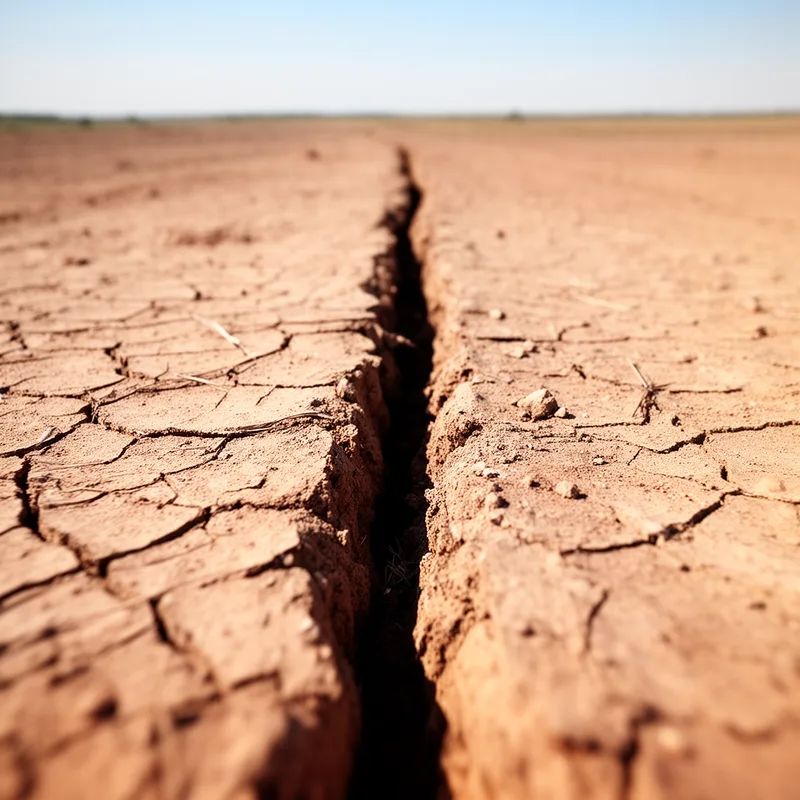
to fissure
 1
7.2
1
7.2

- verb
- /ˈfɪʃər/
- As the years passed, the foundation began to fissure.
- fissured and cracked
- fissured bark
- fissured rock
Examples
-
The product of remarkably similar value systems based upon the veneration of friendship and culture, Margaret and Helen's relationship understandably began to fissure with Margaret's marriage.
Academic text (1997) -
In a world fissured with surprise
Fiction book (2001) -
Eliot's lips fissured, and the fissures spread red and raw.
Fiction book (2000) -
The cave was about twelve feet deep, its granite walls black, fissured, and craggy.
Fiction book (1992) -
In one spasm, all the roof glass fissured together, the metal bonding preventing its breaking open or dropping through, keeping the outer skin whole, but letting it shatter internally.
Fiction book (2002) -
The old dam began to fissure after years of heavy rainfall.
-
The heat caused the pavement to fissure in several places.
-
As the earthquake struck, the ground started to fissure, creating narrow cracks.
Synonyms
 1
4.2
1
4.2
To become covered with many small breaks in the surface
 1
8.2
1
8.2
Get small cracks on the surface when it dries or gets old

To make small cracks or narrow openings in something
Antonyms


Compounds

- Specialized
A deep groove on the inner back part of the brain that holds the main area for sight

- Specialized
A deep groove on the side of the brain that separates the front part from the part behind it

- Specialized
A deep groove in the brain that separates the front and side parts

- Archaic
A deep groove on the side of the brain that separates the front and top parts


- Specialized
A deep groove near the back of the brain that separates the parietal and occipital lobes

- Specialized
A deep groove on each side of the brain that separates the front and side lobes
How Broken
72
2.8
 513
1.3
1
7.2
311
1.0
104
2.3
161
1.1
513
1.3
1
7.2
311
1.0
104
2.3
161
1.1
Surface Forms
Etymology
Fissure comes from the Latin fissura, 'a split', and as a verb it means 'to split' or 'to crack'. So when land, rock, or material fissures, it breaks into long, narrow cracks.